
Finished this tour? Let other travelers know what to expect.
Log in with your Leplace account to rate and review this tour.
 City walkID 508Verona, Italy
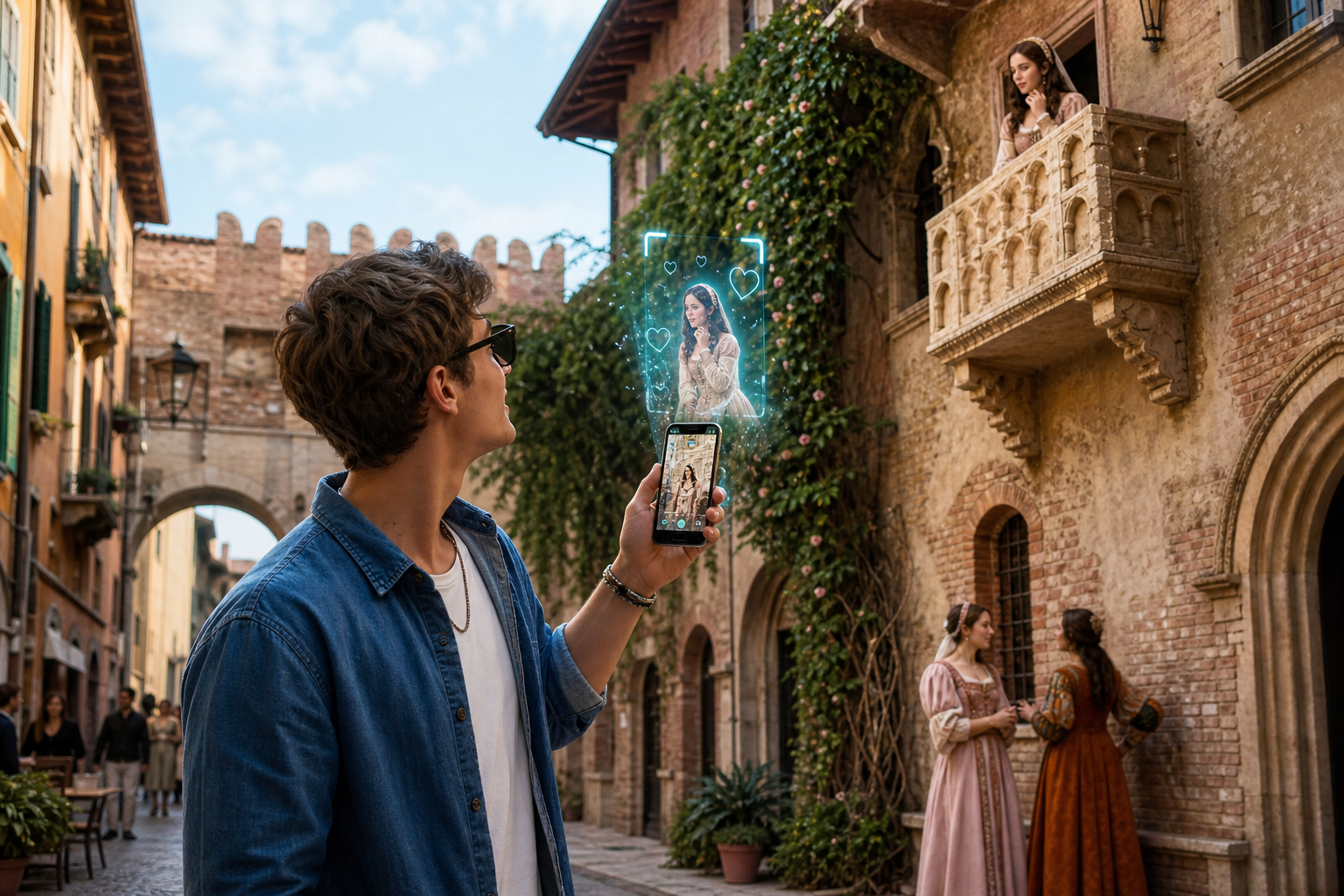
Walk in the footsteps of Romeo and Juliet on this immersive self-guided tour of Verona. Discover medieval houses, legendary balconies, and ancient tombs as you unravel the real history and enduring myths behind the world's most famous love story. Perfect for romantics, literature lovers, and curious explorers alike!
Download Leplace, pick your city and turn your next walk into an adventure.
Leplace also provides original app-guided tours carefully hand-picked and crafted entirely by our team. Using advanced technology and AI, and our co-founder's history nerd level knowledge, we design each tour remotely to combine authentic local insights with smart, innovative storytelling, delivering a unique, high-quality exclusive experience on your mobile phone.
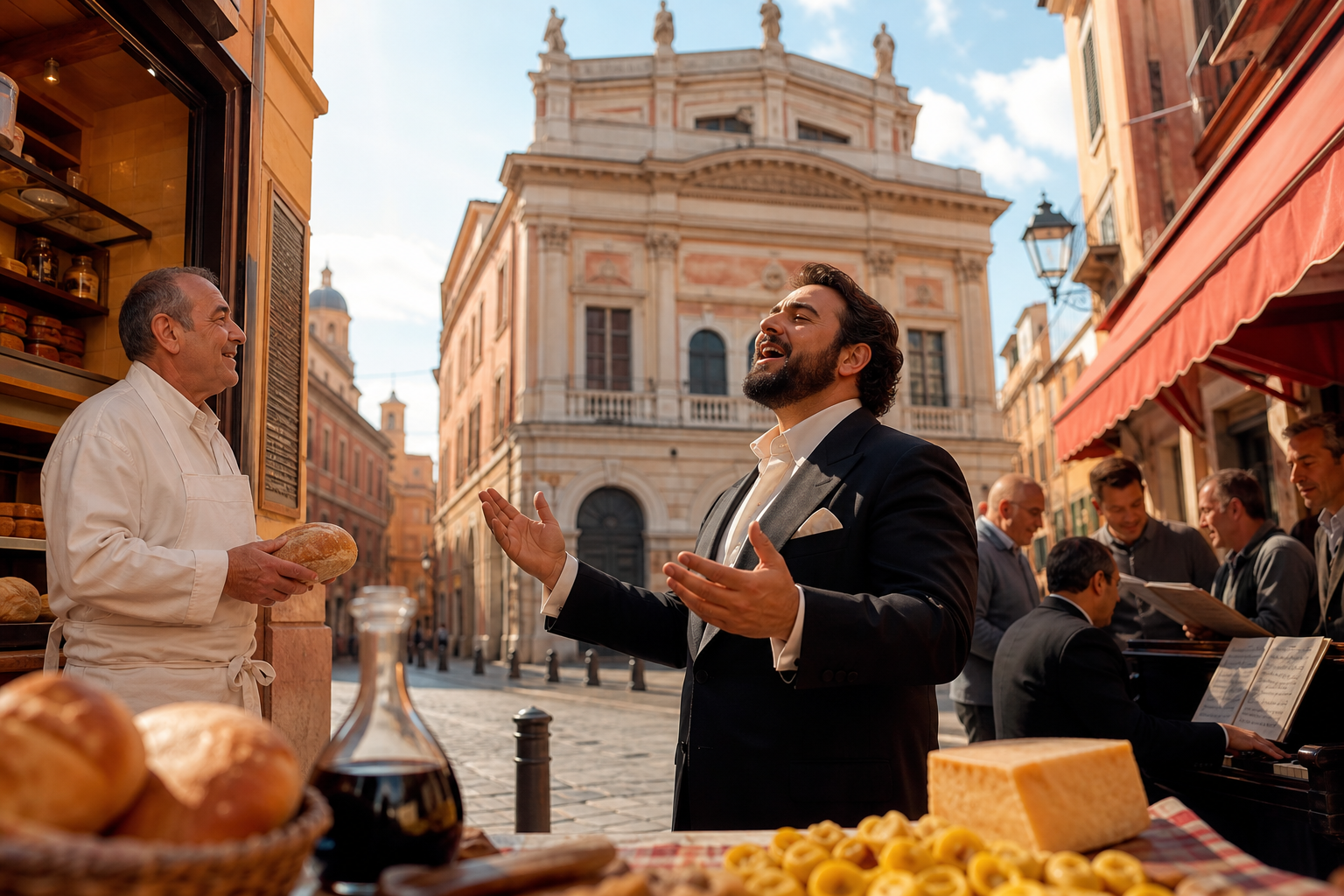
Your journey begins beneath the elegant façade of Teatro Comunale Pavarotti-Freni, where Modena's musical memory seems to rise from every stone. Opened in 1841 as the Teatro Comunale di Modena and designed by Francesco Vandelli, the theatre represents the grand world Luciano Pavarotti would eventually conquer—but his story began much more modestly. Born in Modena in 1935, the son of baker Fernando Pavarotti, Luciano grew up surrounded by work, family, food, and song. His father's participation in local choral music opened a door that would lead far beyond the city's porticoes.
Follow the route through Piazza Roma, where the vast space before the former Este Ducal Palace later became a spectacular setting for Pavarotti's benefit concerts. Then cross Piazza Mazzini, once part of the Jewish ghetto established in 1638, and imagine the late-night dinners where the singer entertained conductors, musicians, and friends over generous plates of Modenese food. On Via Emilia Centro, the ancient Roman road built in 187 BC becomes Pavarotti's neighborhood stage: here he walked, greeted shopkeepers, signed autographs, and remained recognizably local despite his global fame.
At St. Charles Church, listen for the imagined echo of early choral singing beneath the Baroque interior. At the Corale Gioachino Rossini, founded in 1887, discover the rehearsal rooms where Pavarotti refined his technique with his father. In 1955, the choir won first prize at the International Musical Eisteddfod in Llangollen, Wales—a triumph Pavarotti later described as the turning point that convinced him to pursue singing professionally. Finally, enter the Mercato Storico Albinelli, opened in 1931, where tortellini and balsamic vinegar reveal another essential part of his identity: Pavarotti never stopped carrying Modena with him.
 City walkID 461Genoa, Italy
Embark on a self-guided adventure through Genoa's maritime heart! Discover medieval piazzas, legendary docks, grand palaces, and the secrets of Genoese bankers and sailors. Explore historic sites, panoramic views, and the iconic Lanterna lighthouse while tracing the city's rise and transformation from medieval powerhouse to modern maritime hub.
 City walkID 509Bologna, Italy
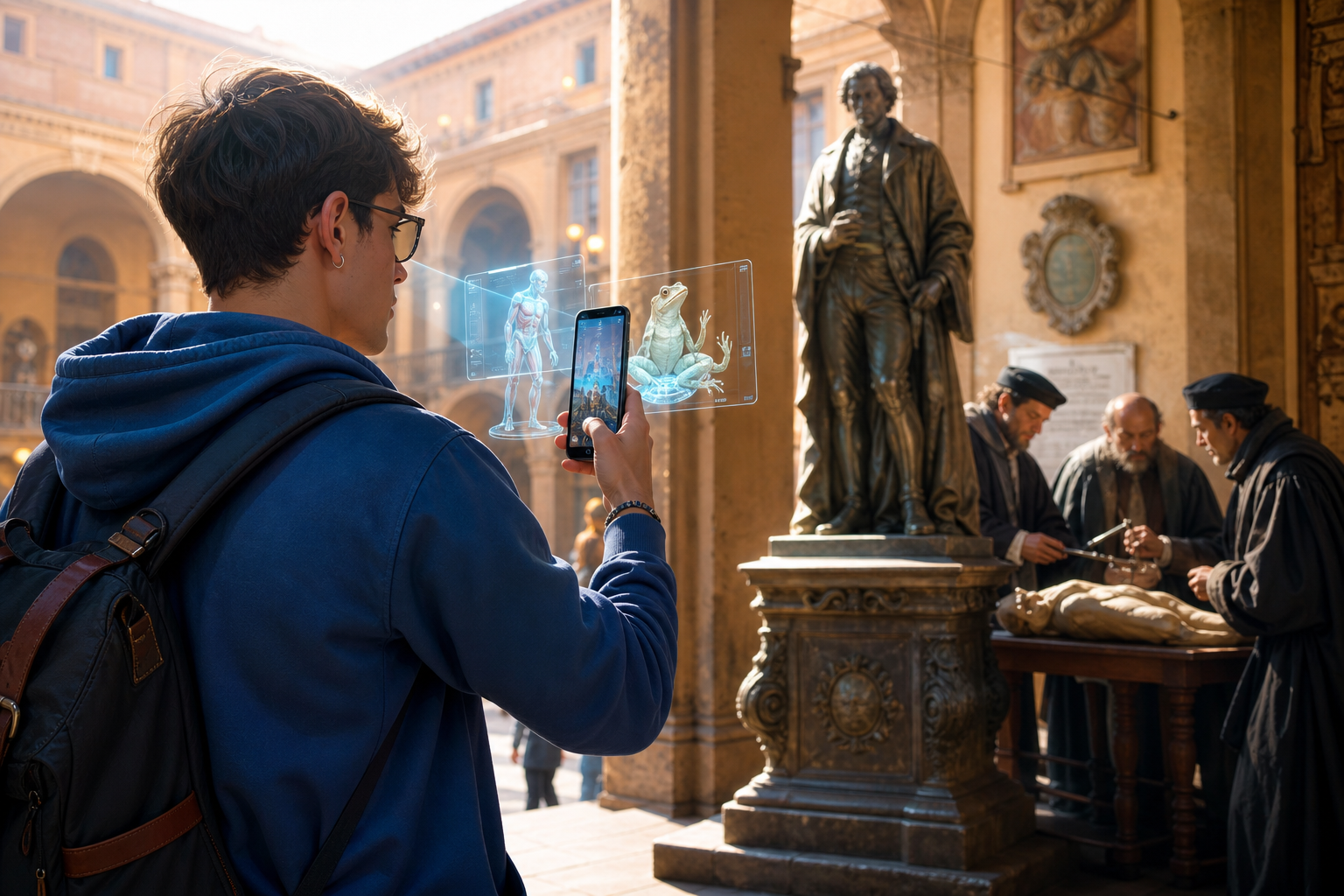
Journey through Bologna's red-brick heart on an immersive academic history tour! Explore the world's oldest university, marvel at anatomical theatres, scientific marvels, and secret gardens. Discover the legends, inventions, and international spirit that earned Bologna its nickname: 'La Dotta'—The Learned.