Finished this tour? Let other travelers know what to expect.
Log in with your Leplace account to rate and review this tour.
 City walkID 446New York, NY, United States
Savor & Stroll: A Self-Guided Food & Culture Tour of Chinatown & Little Italy Get ready for a delicious adventure through two of New York City’s most vibrant and historic neighborhoods—Chinatown and Little Italy! This self-guided audio tour will lead you through bustling streets, hidden alleyways, and legendary eateries, bringing the rich history, cultural traditions, and mouthwatering flavors of these iconic districts to life.
Download Leplace, pick your city and turn your next walk into an adventure.

Leplace also provides original app-guided tours carefully hand-picked and crafted entirely by our team. Using advanced technology and AI, and our co-founder's history nerd level knowledge, we design each tour remotely to combine authentic local insights with smart, innovative storytelling, delivering a unique, high-quality exclusive experience on your mobile phone.
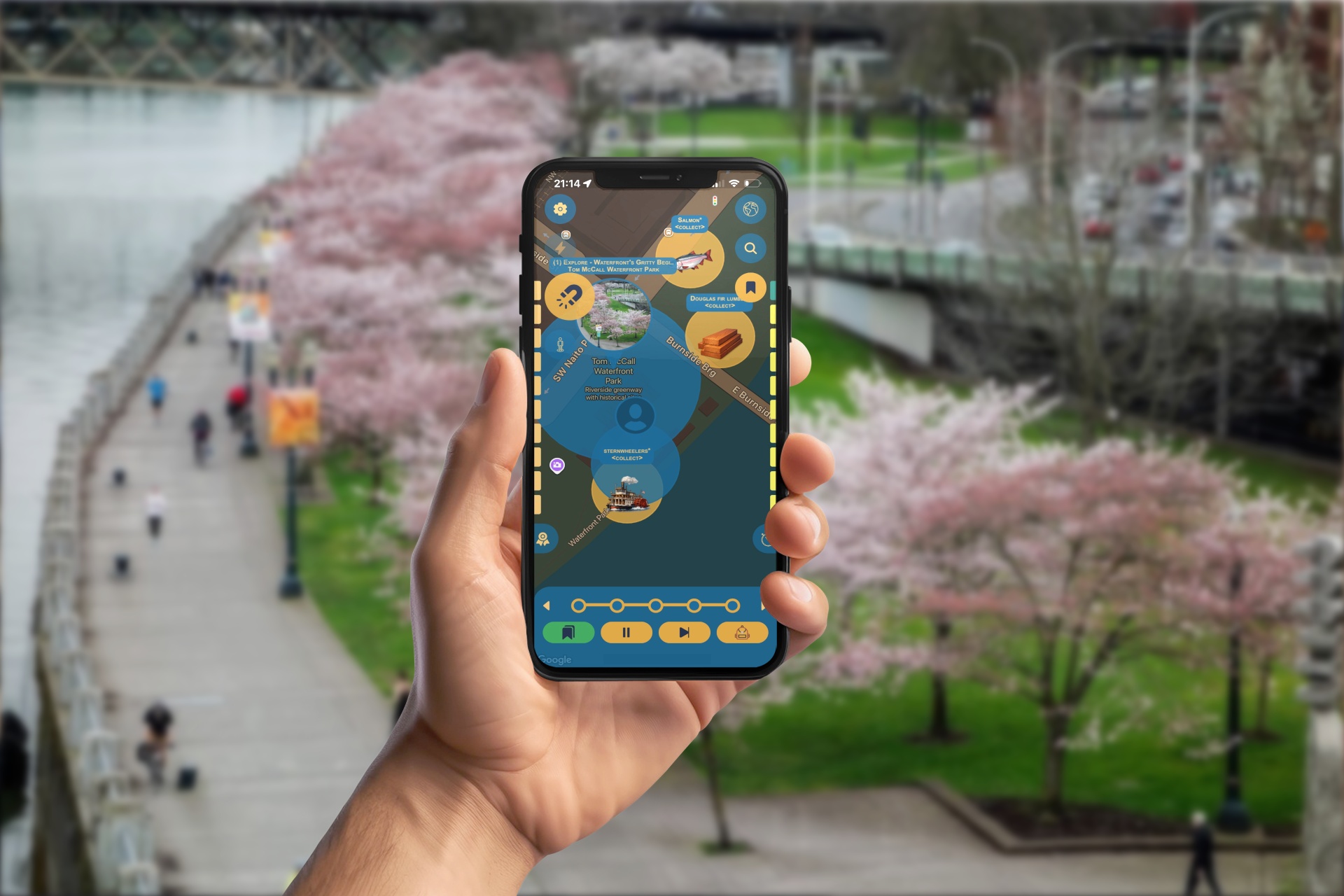
You begin where Portland began to hustle: at the river's edge, where muddy banks, timber wealth, and sheer ambition turned a small settlement platted in 1845 and incorporated in 1851 into a booming Northwest port. As you follow the Willamette through Old Town and the warehouse district, you step into the city's rough-and-ready nineteenth-century rise, when steamships crowded the docks, wagons rattled over planks, and fortunes floated in on lumber, wheat, and trade. This is not the postcard Portland of craft coffee and bike lanes; this is the Portland of sailors, mill owners, merchants, gamblers, dockworkers, and opportunists with wet boots and sharp elbows. At Skidmore Fountain, installed in 1888, you'll stand in a district built to serve people, horses, cargo, and commerce in equal measure. At Union Station, opened in 1896, you'll see how railroads tightened Portland's grip on inland trade, while the White Stag Block recalls the city's timber-fueled industrial muscle. The Burnside crossing tells another chapter: bridges, freight, and expansion binding east and west into one working city. And then there is the infamous vice economy—saloons, lodging houses, gambling dens, and the persistent legends of Shanghaiing that gave Portland its rakish reputation. Some tales grew taller in the retelling, naturally; waterfront cities were never allergic to exaggeration. Still, as you move through these streets, you'll feel how river trade, lumber, immigration, and vice all helped shape a city that was prosperous, chaotic, and never especially interested in being boring.
 City walkID 422Chicago, IL, United States
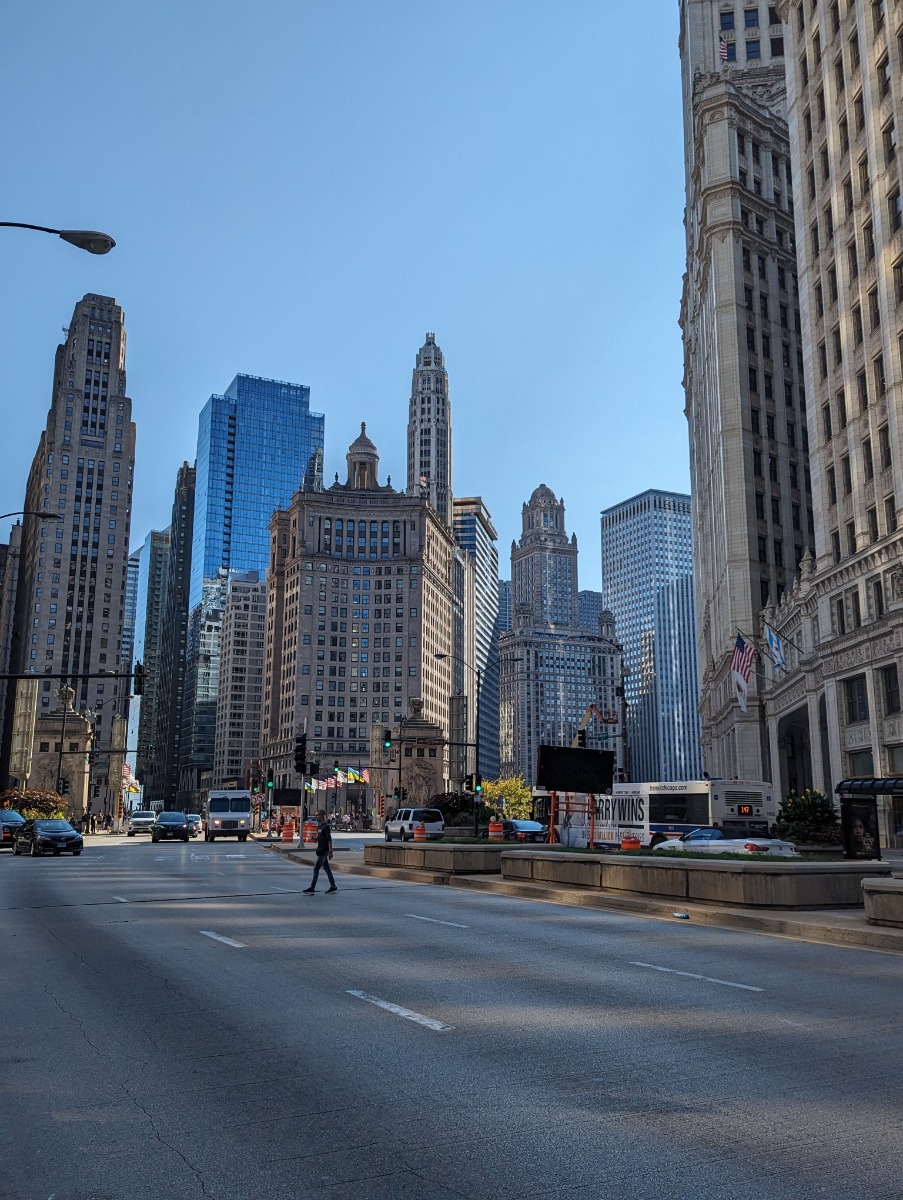
Embark on a journey down Chicago’s main street, Michigan Avenue, as you make your way to the Bean! This exhilarating adventure will guide you to beautiful buildings, historical sites, major public ar…
 City walkID 386Austin, TX, United States
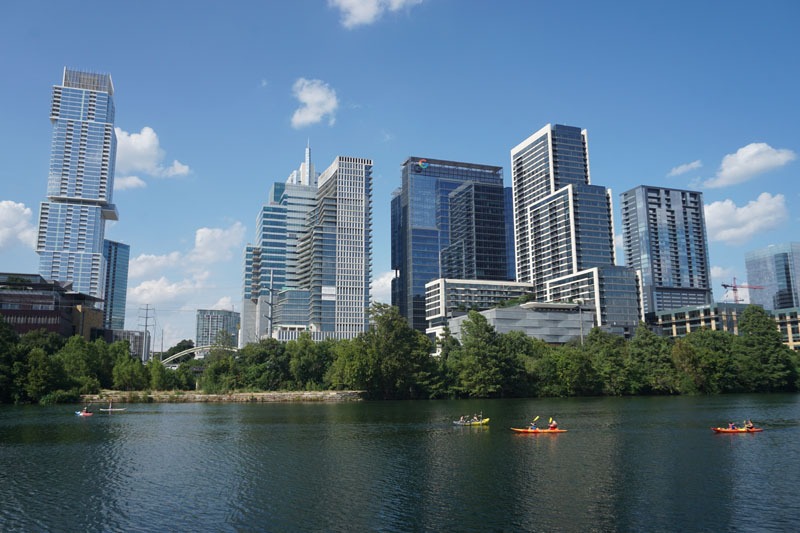
Austin, TX 78703 - Help! Big Tech has invaded Austin and is threatening to turn this former bastion of hippie weirdness into a sterile, boring Genericsville, USA! Giant robot owls have descended upon…