
Finished this tour? Let other travelers know what to expect.
Log in with your Leplace account to rate and review this tour.
 City walkID 427Paris, France
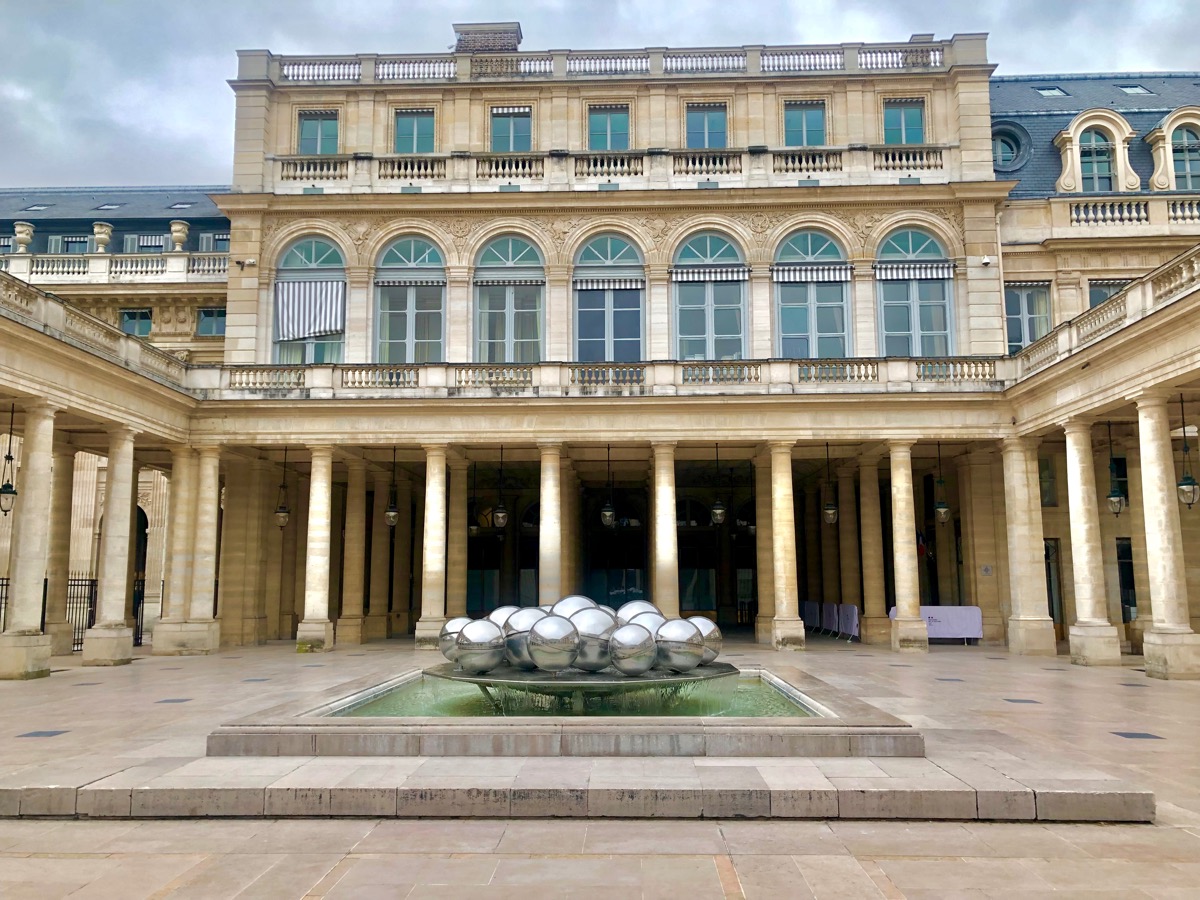
You have embarked on a fascinating journey through the origins of modern fashion, tracing its roots back to when Charles Worth established the first fashion house in Paris in the mid-19th century. Th…
Download Leplace, pick your city and turn your next walk into an adventure.
Leplace also provides original app-guided tours carefully hand-picked and crafted entirely by our team. Using advanced technology and AI, and our co-founder's history nerd level knowledge, we design each tour remotely to combine authentic local insights with smart, innovative storytelling, delivering a unique, high-quality exclusive experience on your mobile phone.
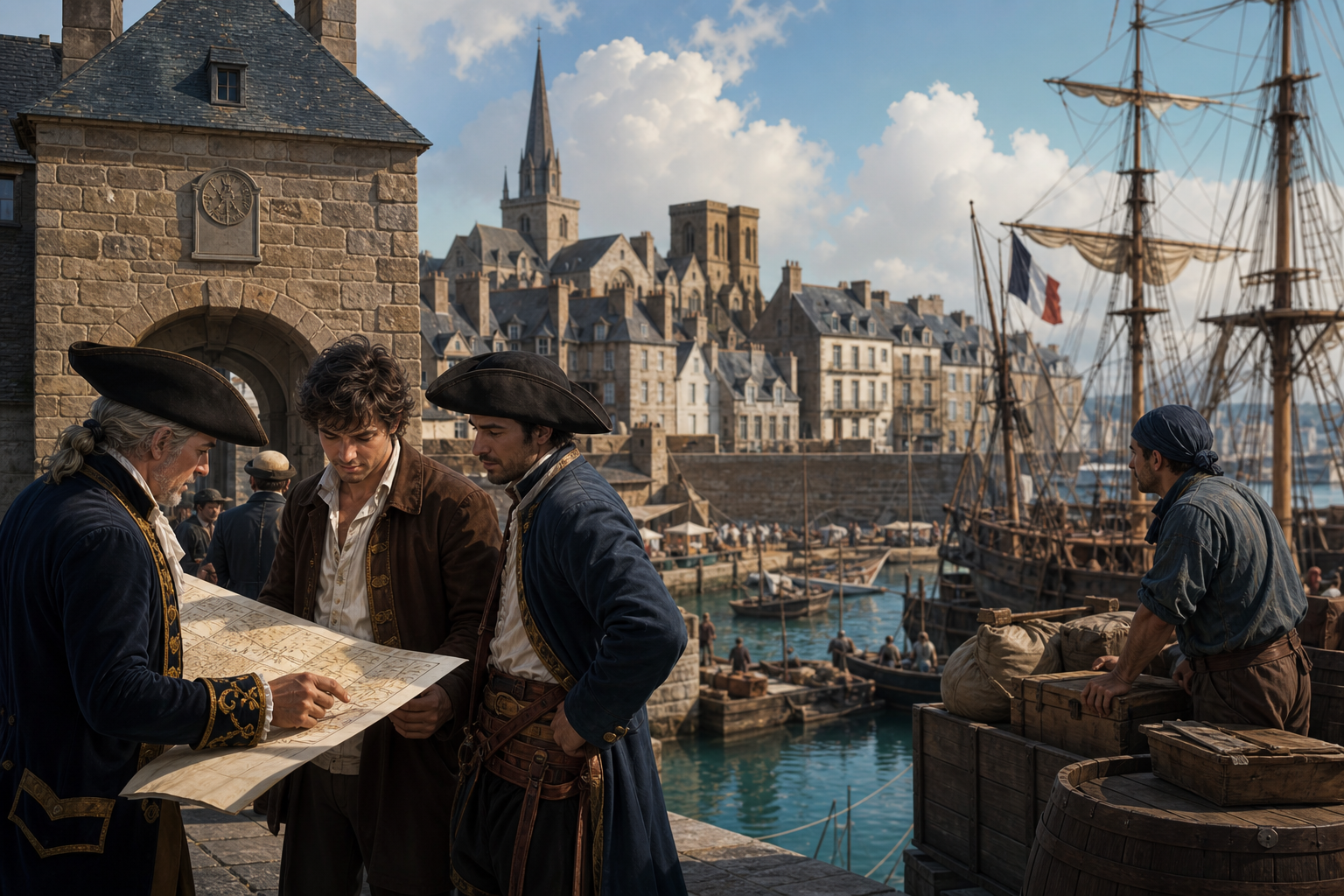
Your route begins at Porte Saint-Vincent, the principal landward entrance to Saint-Malo's Intra-Muros, where medieval defenses were expanded into a major coastal fortress between the 17th and 18th centuries. From here, you follow the city's transformation from Breton port to international maritime power. Saint-Malo's merchants traded in the Atlantic, the Caribbean, Newfoundland fisheries, and the Indian Ocean, while private shipowners obtained royal lettres de marque authorizing them to attack enemy commerce during wartime. These corsairs were not pirates: captured vessels and cargoes were brought before prize courts, and profits were divided among owners, crews, and the Crown. Place Chateaubriand introduces the commercial world that financed this activity, while the Demeure de Corsaire, built in 1725 for François-Auguste Magon de la Lande, reveals how maritime fortunes shaped elite domestic architecture. At Saint-Vincent Cathedral, founded in the 12th century and expanded in Romanesque and Gothic phases, sailors sought protection before departure. The ramparts then lead you to the Holland Bastion, part of the defensive modernization inspected by Vauban in 1686, and to the monument of Robert Surcouf, born in Saint-Malo on 12 December 1773 and famous for his campaigns against British shipping during the Revolutionary and Napoleonic Wars. Across the tidal waters, Fort National, designed under Vauban and built in 1689 by Siméon Garengeau, demonstrates how artillery protected the harbor. The final stop, the Étoile du Roy, is a modern replica, but its rigging and guns help explain the demanding conditions aboard an 18th-century privateer.
 City walkID 398Paris, France
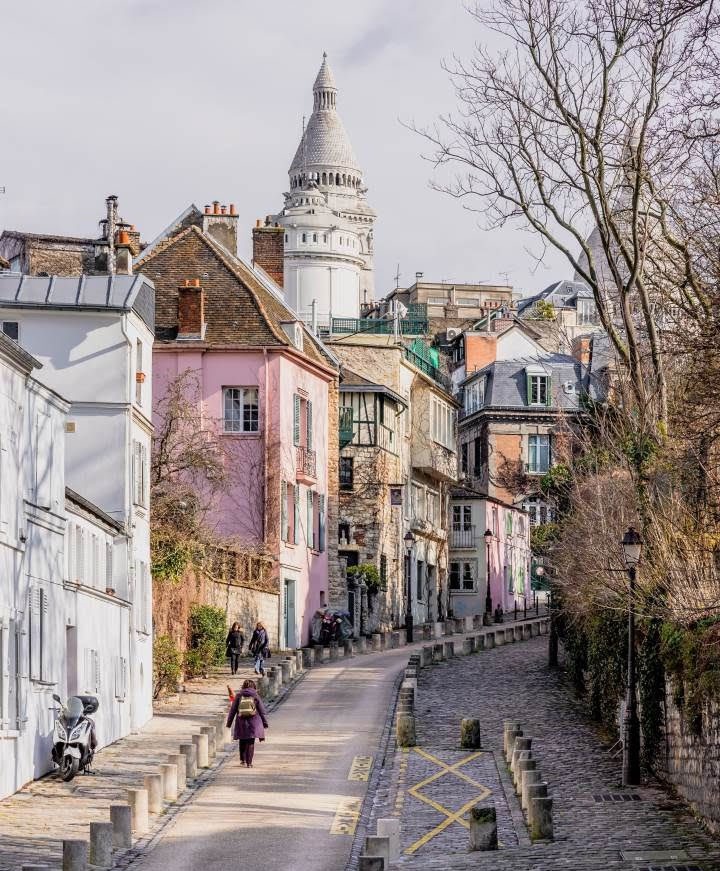
You are living the life of a bohemian artist in Montmartre in the 1880s. You discover what it means to starve for your art, you live amongst the vagabonds, gypsies, rag pickers, thieves & ladies of t…
 City walkID 503Paris, France
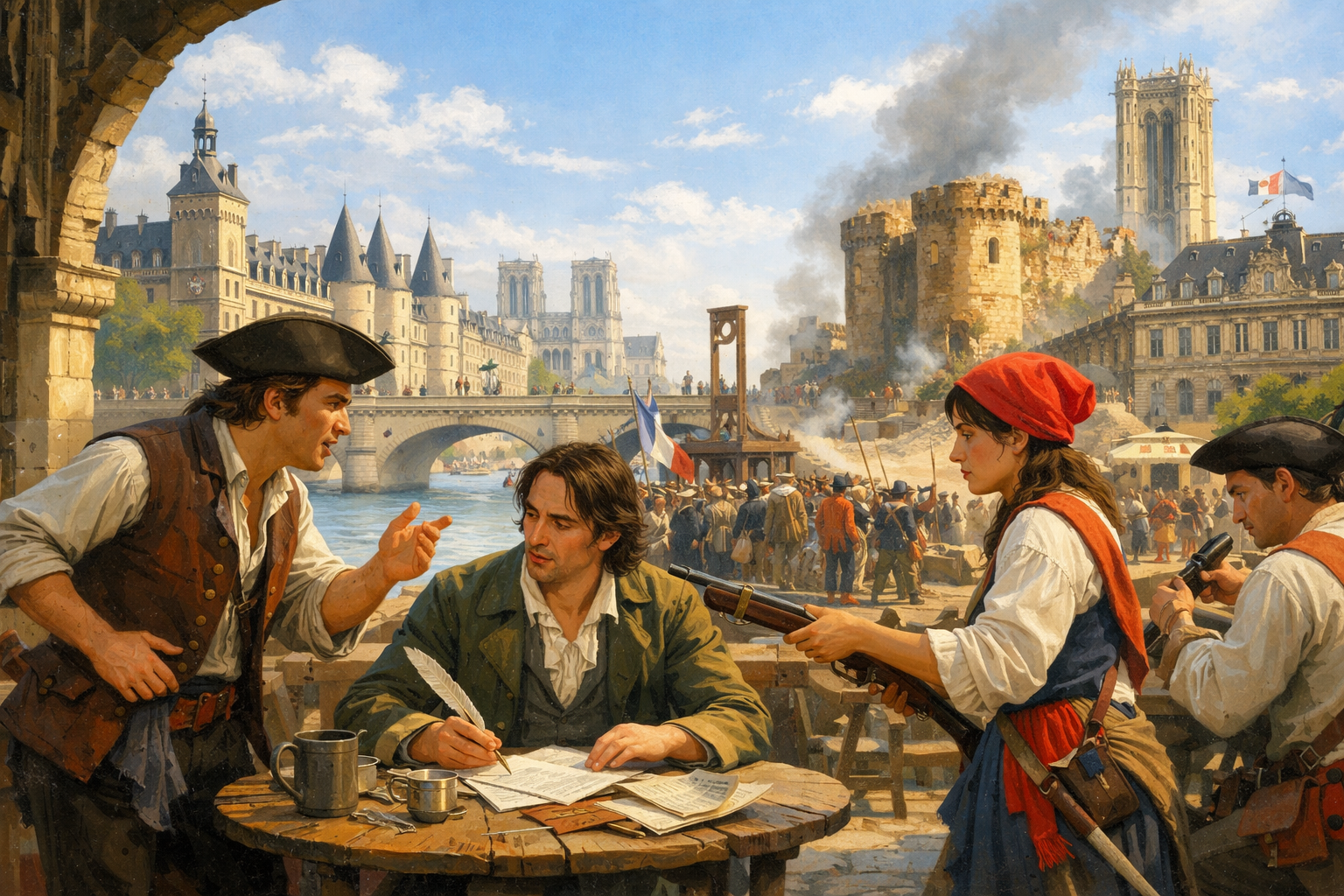
Trace the radical pulse of Paris from the first sparks of 1789's revolution. Hunt ground markings and relics of revolution as you cross bridges, palaces, and prisons. Discover how Paris's architecture became both witness and weapon in the making of modern liberty.