Finished this tour? Let other travelers know what to expect.
Log in with your Leplace account to rate and review this tour.
 City walkID 446New York, NY, United States
Savor & Stroll: A Self-Guided Food & Culture Tour of Chinatown & Little Italy Get ready for a delicious adventure through two of New York City’s most vibrant and historic neighborhoods—Chinatown and Little Italy! This self-guided audio tour will lead you through bustling streets, hidden alleyways, and legendary eateries, bringing the rich history, cultural traditions, and mouthwatering flavors of these iconic districts to life.
Download Leplace, pick your city and turn your next walk into an adventure.

Leplace also provides original app-guided tours carefully hand-picked and crafted entirely by our team. Using advanced technology and AI, and our co-founder's history nerd level knowledge, we design each tour remotely to combine authentic local insights with smart, innovative storytelling, delivering a unique, high-quality exclusive experience on your mobile phone.
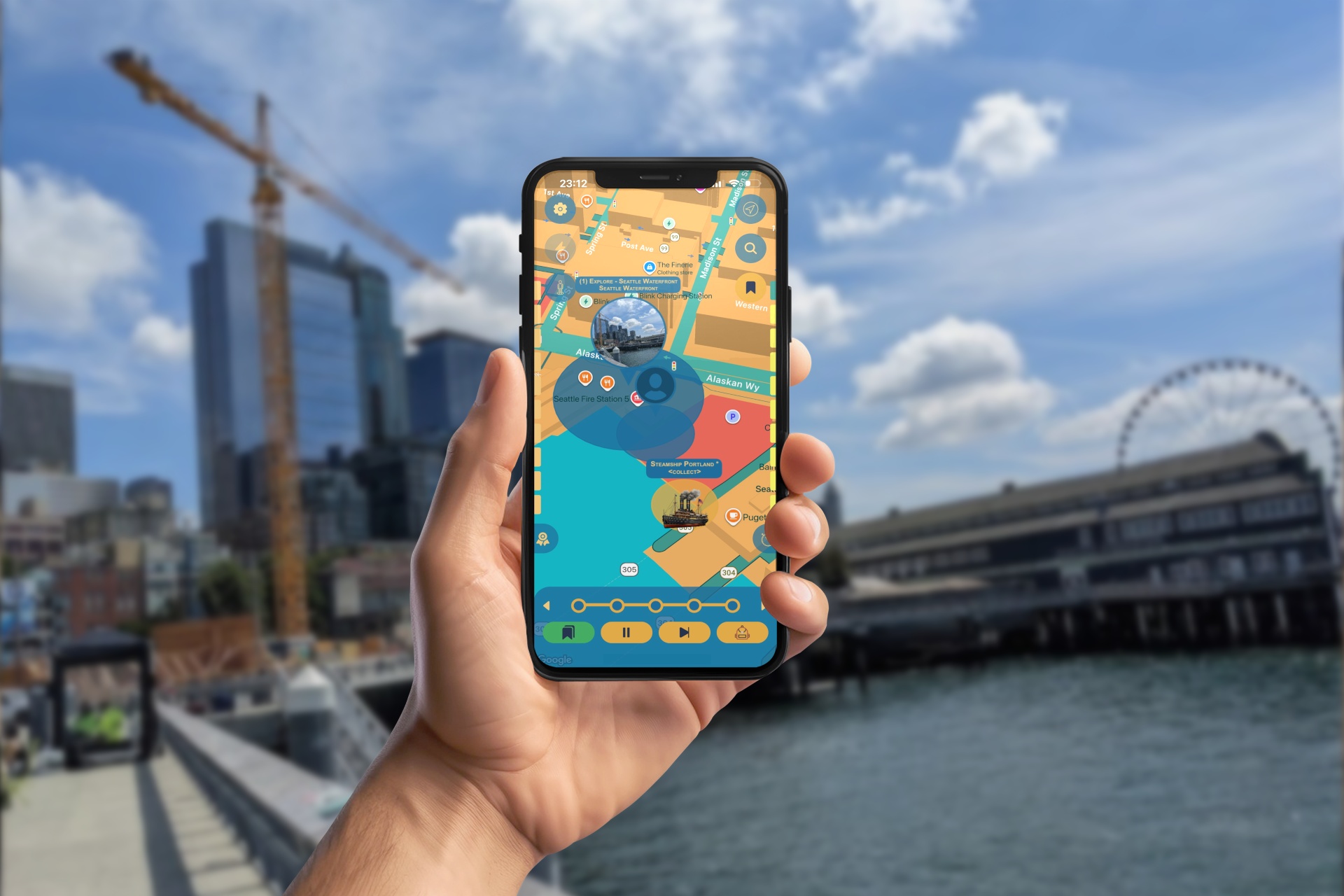
You begin in a city that did not just witness the Klondike Gold Rush—it sold it. In July 1897, when the steamship Portland arrived carrying miners and a dazzling cargo of Yukon gold, Seattle seized its moment with the enthusiasm of a shopkeeper spotting a customer with a full wallet. Overnight, the city styled itself as the "Gateway to Alaska," and you can still trace that bold sales pitch through downtown streets, docks, stations, and skyline landmarks. As you walk, you step into the fevered days when prospectors flooded in by the thousands, buying boots, bacon, blankets, picks, and hope—lots and lots of hope. The Canadian authorities required each stampeders' party to carry roughly a ton of supplies, which was excellent news for Seattle merchants and terrible news for anyone who had to haul it up the Chilkoot Pass.
This tour lets you follow the money as much as the miners. In Pioneer Square and around Occidental Square, outfitters, bankers, shipping agents, and newspaper men turned ambition into industry. At the waterfront, steamships departed north loaded with dreamers, cargo, and the nagging possibility of frostbite. Union Station and the rail links behind it funneled newcomers west, while later landmarks like Smith Tower reveal what happened when gold fever matured into long-term wealth and urban confidence. You will also encounter the often-overlooked communities, especially in the Chinatown–International District, whose labor, trade, and resilience helped keep Seattle moving. Very few prospectors became millionaires, but Seattle itself hit the jackpot. By the end, you will see that the real treasure of the Klondike era was not only buried in the Yukon—it was built here in brick, stone, steel, and swagger.
 City walkID 422Chicago, IL, United States
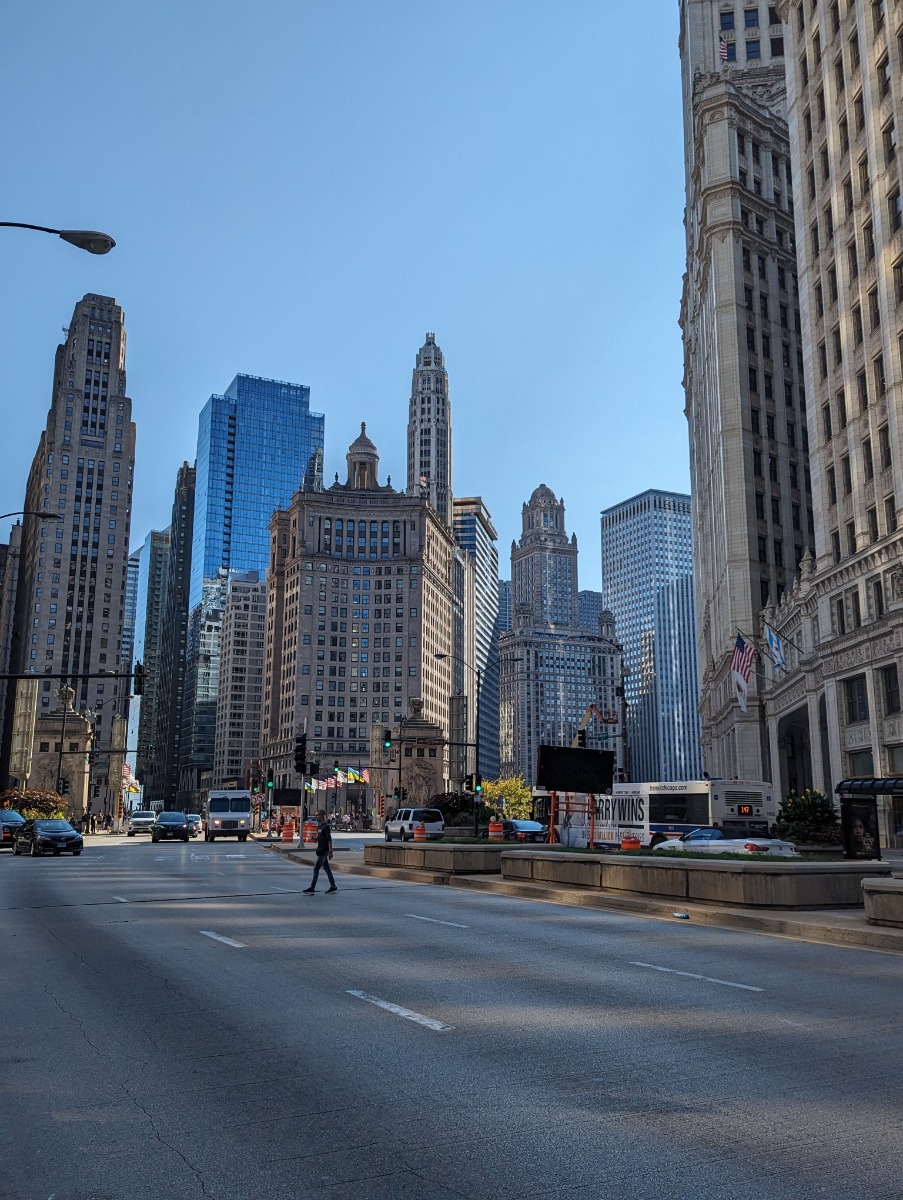
Embark on a journey down Chicago’s main street, Michigan Avenue, as you make your way to the Bean! This exhilarating adventure will guide you to beautiful buildings, historical sites, major public ar…
 City walkID 386Austin, TX, United States
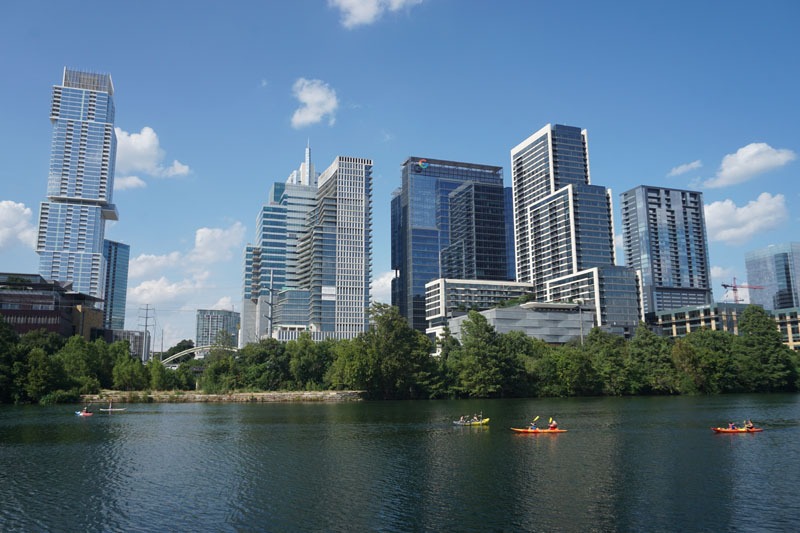
Austin, TX 78703 - Help! Big Tech has invaded Austin and is threatening to turn this former bastion of hippie weirdness into a sterile, boring Genericsville, USA! Giant robot owls have descended upon…