
Finished this tour? Let other travelers know what to expect.
Log in with your Leplace account to rate and review this tour.
 City walkID 427Paris, France
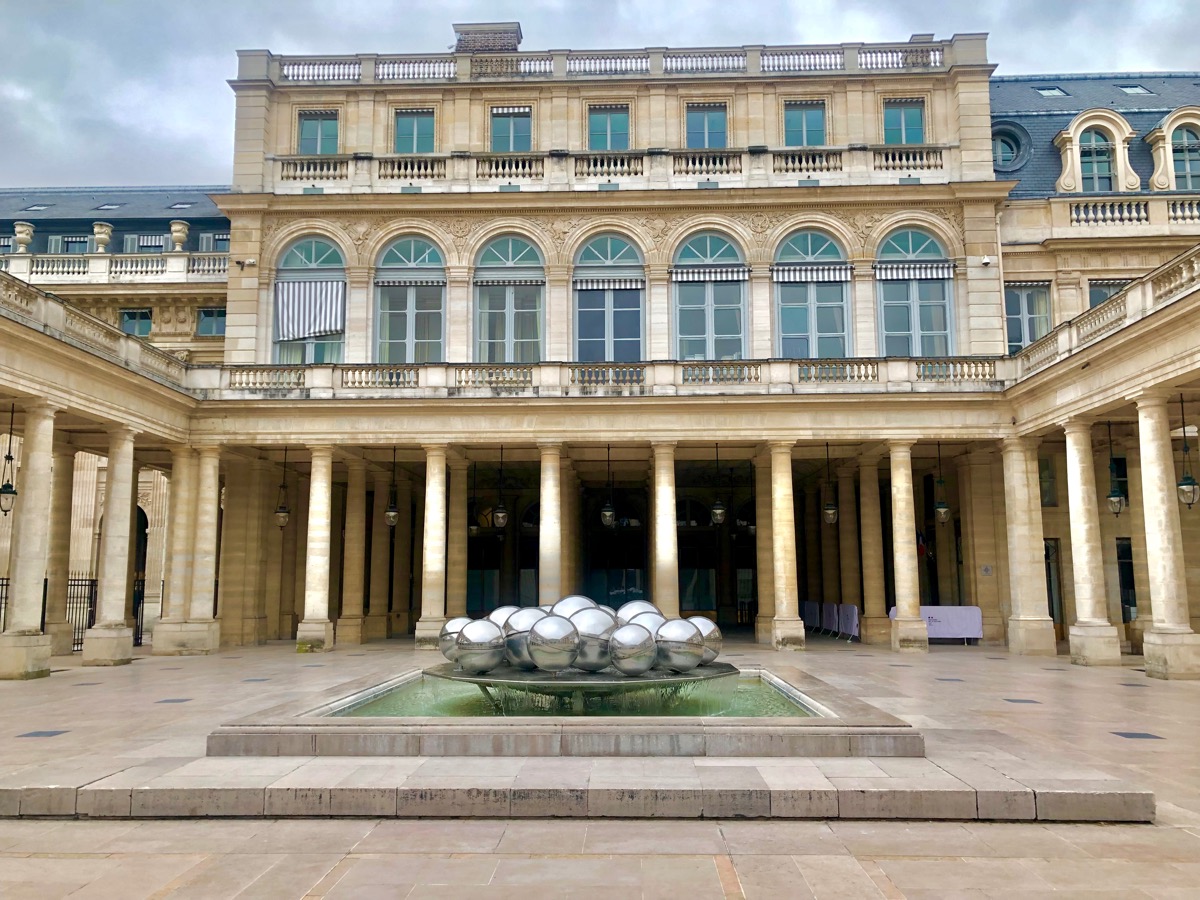
You have embarked on a fascinating journey through the origins of modern fashion, tracing its roots back to when Charles Worth established the first fashion house in Paris in the mid-19th century. Th…
Download Leplace, pick your city and turn your next walk into an adventure.
Leplace also provides original app-guided tours carefully hand-picked and crafted entirely by our team. Using advanced technology and AI, and our co-founder's history nerd level knowledge, we design each tour remotely to combine authentic local insights with smart, innovative storytelling, delivering a unique, high-quality exclusive experience on your mobile phone.
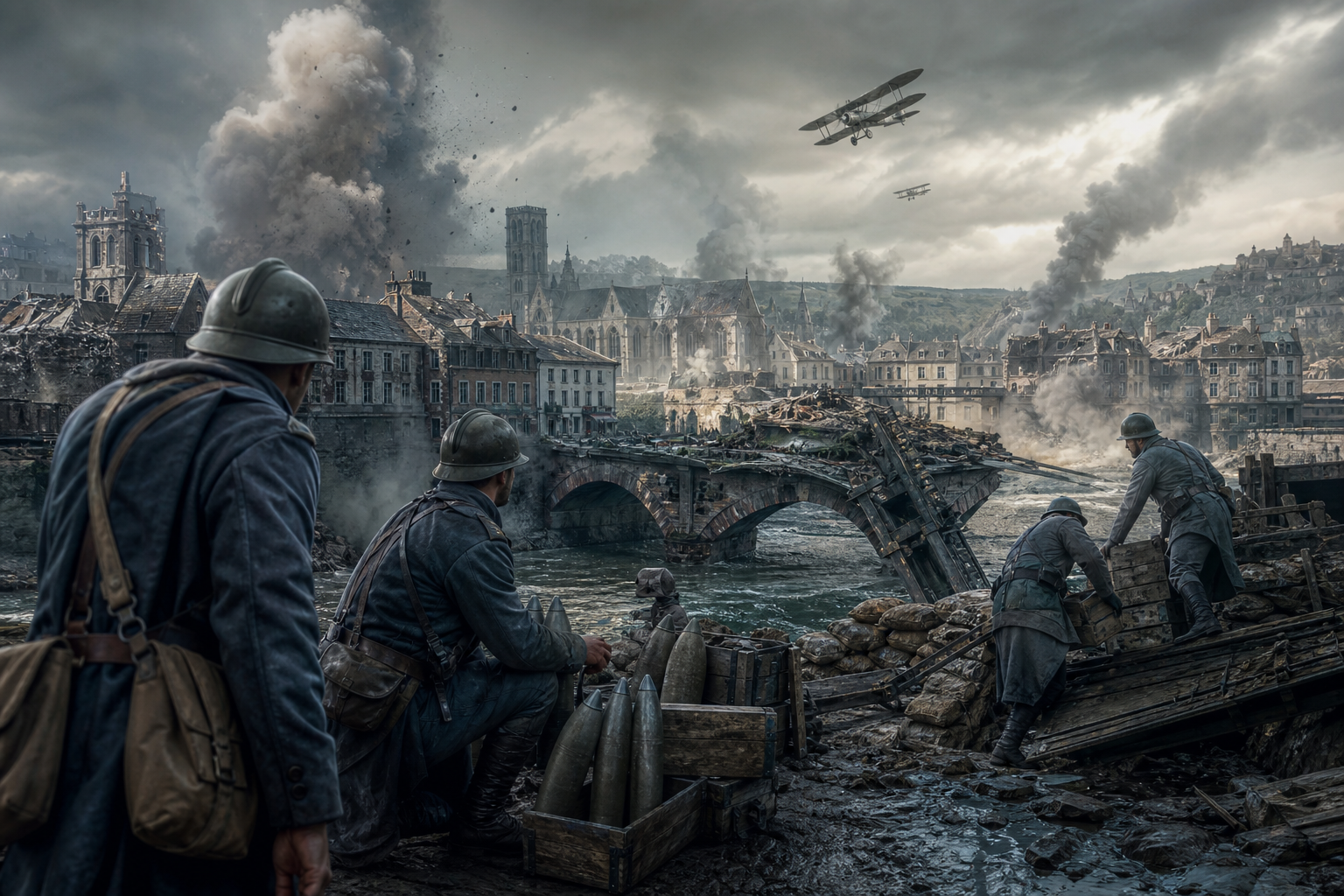
You arrive in Verdun not as a tourist, but as a witness to a city transformed into a military machine. In 1916, the Battle of Verdun lasted 302 days, beginning on 21 February and continuing until December, as German forces tried to exhaust the French Army through relentless artillery fire. The famous forts and shattered hills lay beyond the walls, but the battle depended just as much on the streets, bridges, station platforms, tunnels, and riverbanks beneath your feet.
Your route follows the urban logistics network that kept the garrison alive. At the Gare de Verdun, railway workers unloaded ammunition and supplies under cover of darkness until long-range guns crippled the station. At the Monument de la Voie Sacrée, you meet the road that replaced the severed railway: a roughly 72-kilometre artery from Bar-le-Duc, carrying thousands of trucks toward the front. The road became so busy that mechanics maintained a strict one-way flow—military traffic with very little time for scenic detours.
From there, you cross the Meuse by the bridges and passages that engineers repeatedly repaired under fire. At Porte Chaussée, medieval towers reveal how Verdun's old defensive shell was pressed back into wartime service. At Pont Legay, imagine troops, bread, shells, ambulances, and messages moving across the river while artillery searched for every crossing. The Citadelle Souterraine takes you below ground, where kilometres of galleries sheltered headquarters, hospitals, a bakery, and thousands of soldiers. Finally, the monuments and memorials return you to the human cost: regiments arriving, defenders departing, and names preserved after the guns fell silent.
As you walk, look for the practical details—plaques, milestones, masonry scars, rail fragments, gates, and changes in elevation. Verdun was not held by courage alone. It survived through timing, maintenance, improvisation, and an astonishing amount of bread.
 City walkID 398Paris, France
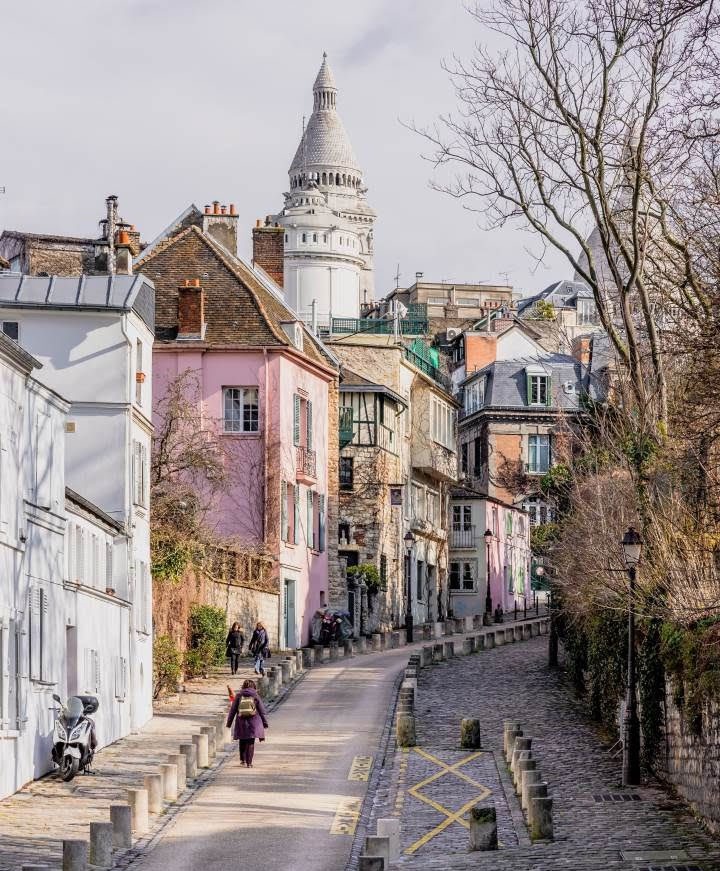
You are living the life of a bohemian artist in Montmartre in the 1880s. You discover what it means to starve for your art, you live amongst the vagabonds, gypsies, rag pickers, thieves & ladies of t…
 City walkID 503Paris, France
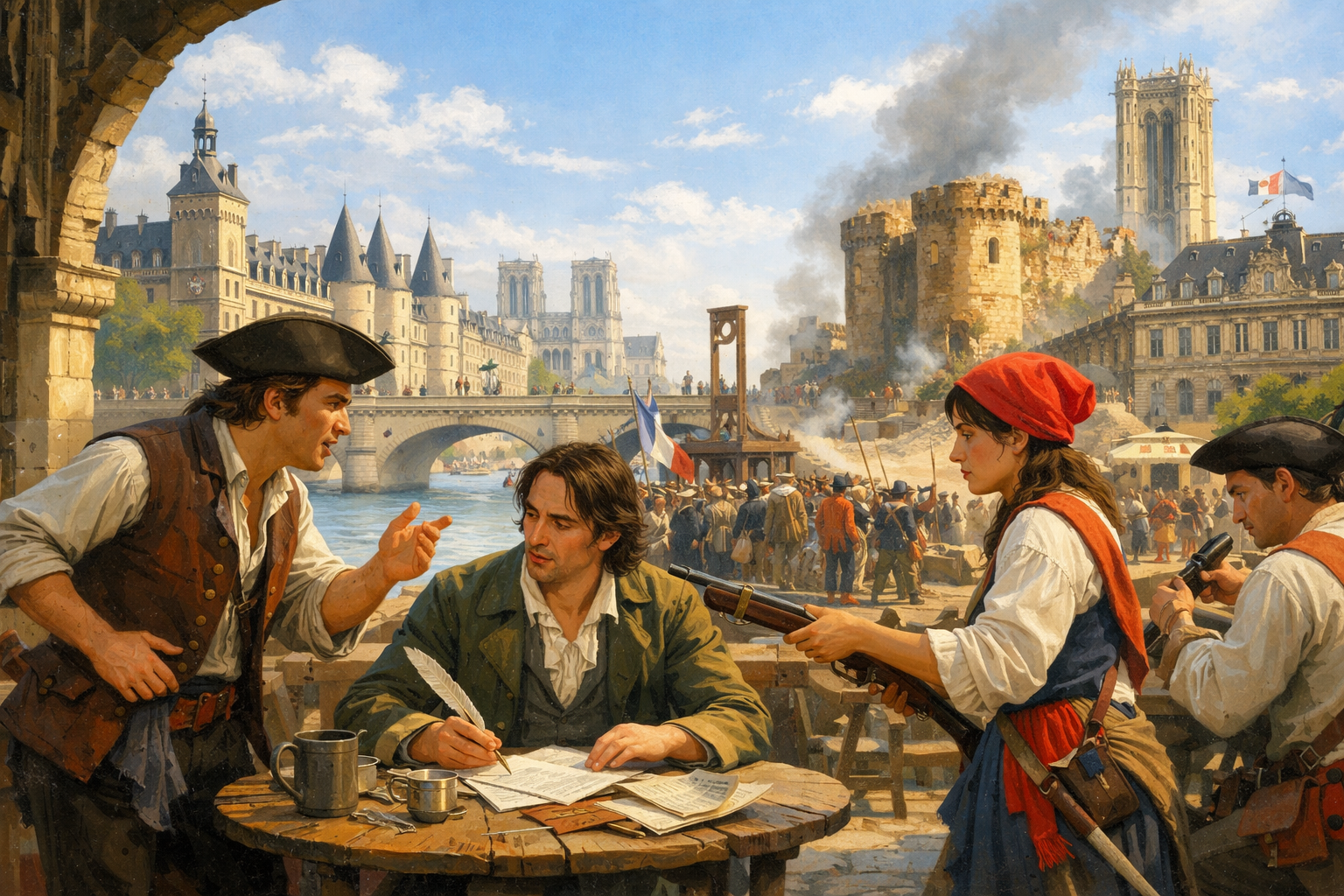
Trace the radical pulse of Paris from the first sparks of 1789's revolution. Hunt ground markings and relics of revolution as you cross bridges, palaces, and prisons. Discover how Paris's architecture became both witness and weapon in the making of modern liberty.