
Sep 16, 20267 min read
7 Best Tourism Creator Platforms for Interactive Tours
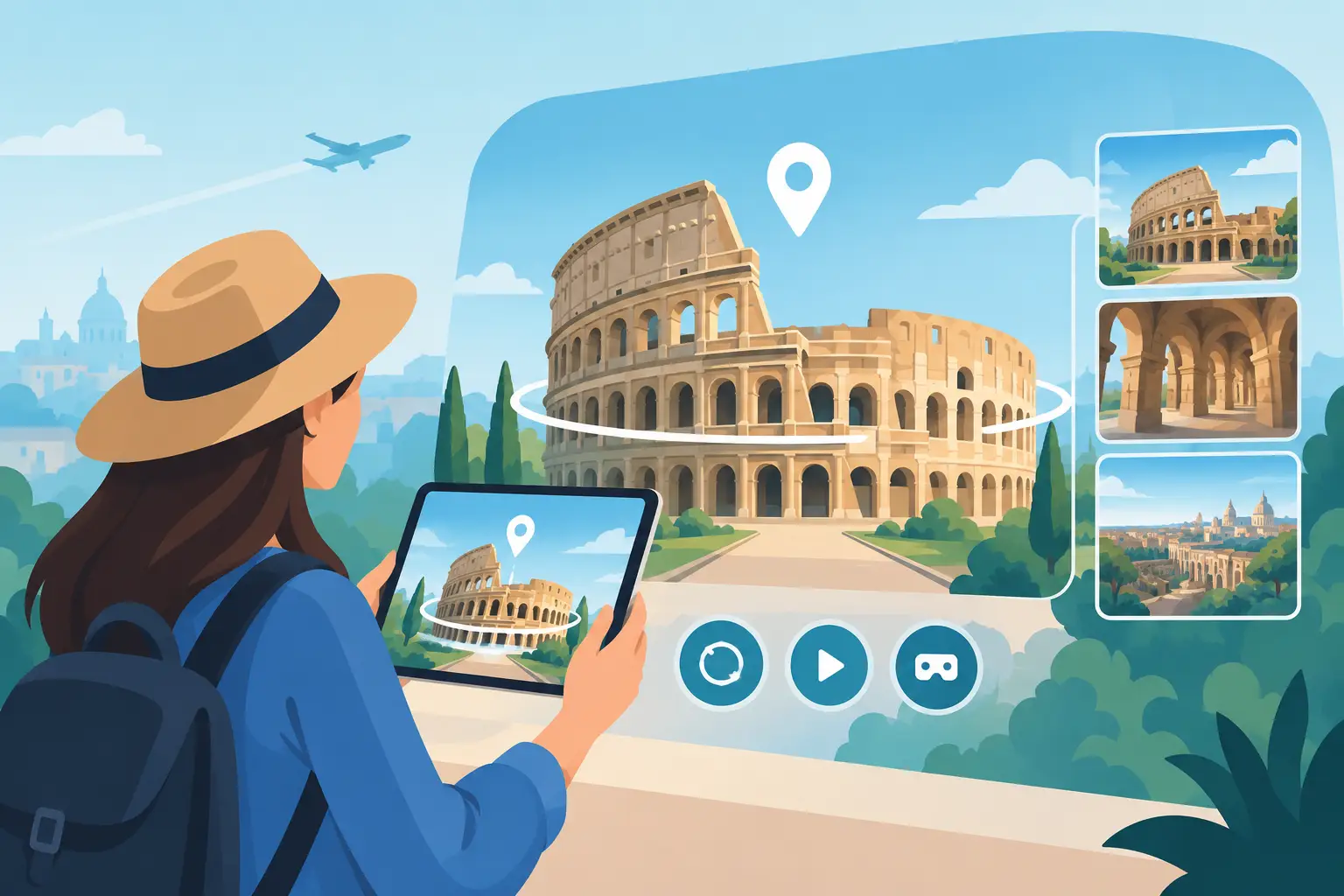
A city is not a slideshow. It is a living game board: streets, hidden details, local voices, public art, food stops, legends, and challenges waiting to be found. The best tourism creator platforms help guides, destinations, and cultural organizations turn that raw potential into mobile experiences people can explore on their own terms.
For creators, the question is bigger than which tool can pin a location on a map. The right platform should help you package local knowledge into an experience people want to start, finish, share, and pay for. That might mean an audio-led walking route, a GPS scavenger hunt, an event trail, a museum extension, or a story-driven city quest.
What makes a tourism creator platform worth using?
A tourism creator platform sits somewhere between a content management system, a mobile tour app, and an experience engine. It lets creators build routes and stops, then publish them for travelers to access from their phones.
The strongest platforms do more than deliver information. They create momentum. A traveler should know where to go next, why it matters, and what makes continuing worthwhile. That can come from great storytelling, well-timed audio, visual clues, location triggers, challenges, rewards, or a simple route that removes the friction from exploring an unfamiliar place.
Before choosing a platform, decide what your experience needs to achieve. A historic district may need elegant narration and accessibility features. A destination marketing campaign may need branded challenges, group participation, and campaign analytics. A local guide who wants scalable income may care most about easy publishing, pricing controls, and a marketplace that can bring in new customers.
7 best tourism creator platforms to consider
There is no universal winner. The best choice depends on whether you are building a polished audio tour, a gamified discovery route, an education-focused activity, or a custom digital product for a destination. These seven platforms stand out for different reasons.
1. Leplace for game-driven city exploration
Leplace is built for tourism creators who want to move beyond passive listening. Its creator tools support interactive self-guided tours that combine local storytelling with GPS-enabled exploration, clues, challenges, virtual item collection, and treasure-hunt energy.
That makes it a strong fit for city guides, tourism boards, cultural partners, and event teams creating experiences for explorers who want to participate rather than simply follow a route. Creators can publish story-led experiences through Leplace World and LP Town, while monetizing paid tours and exclusive access experiences.
The trade-off is strategic: a challenge-based format asks creators to think like experience designers, not only narrators. But for a route with mystery, movement, and memorable moments, that is exactly the point. A great tour becomes a real-life exploration game.
2. VoiceMap for audio-first storytelling
VoiceMap is a practical option for creators whose biggest strength is narration. Its model centers on GPS-triggered audio, helping travelers hear the right story as they arrive at a specific point along a route.
This format works particularly well for writers, journalists, historians, and local experts with a powerful point of view. It can also suit travelers who prefer to look around rather than constantly read a screen.
The limitation is that audio alone may not create much interaction. If your target audience wants puzzles, tasks, photo moments, or competition with friends, you may need a more game-oriented platform.
3. Actionbound for educational trails and missions
Actionbound is designed around interactive digital scavenger hunts, known as bounds. Creators can combine questions, media, GPS tasks, and checkpoints into structured activities.
It is especially useful for school groups, museums, youth programs, visitor centers, and destinations running educational trails. The builder is oriented toward participation, making it easier to turn a collection of facts into prompts that require visitors to observe, answer, and act.
For premium tourism products, presentation and booking flow may require more planning around the experience itself. Still, when learning outcomes and group engagement lead the brief, Actionbound is a compelling choice.
4. Loquiz for outdoor games and team experiences
Loquiz brings a location-based game layer to outdoor events, city games, and team-building formats. It is a natural fit for operators designing competitive group experiences where teams navigate to points, complete missions, and track progress in real time.
This is less about a quiet solo walking tour and more about active play. Corporate groups, festivals, student programs, and large destination activations can use that energy to get people moving through a place together.
The platform may be more than a small independent guide needs for a simple public route. But for organizers who need live game management and multiplayer dynamics, that extra control can be valuable.
5. ArcGIS StoryMaps for map-led interpretation
ArcGIS StoryMaps is not a conventional tourism tour marketplace, but it deserves a place in the conversation for organizations that need visually rich, map-based storytelling. Cultural institutions, planners, heritage teams, and destination organizations can combine maps, images, text, and multimedia into polished digital narratives.
It is particularly effective when the goal is interpretation: showing how a neighborhood changed, mapping an architecture trail, or connecting landscape features to community stories. The result can be editorial and visually persuasive.
Its trade-off is clear. StoryMaps is strongest for browsing and learning, rather than an on-the-street, GPS-triggered game experience. It works best when a map story is the product, not when travelers need a highly structured mobile mission.
6. Clio Muse Tours for cultural and museum routes
Clio Muse Tours focuses on cultural storytelling, with a strong use case for museums, heritage sites, galleries, and destination experiences that need credible interpretation. It can help institutions translate expert knowledge into self-guided visitor content without reducing the experience to a printed placard on a phone.
For organizations managing historical collections or landmark narratives, that cultural focus matters. The platform is suited to experiences where accuracy, context, and a professional visitor journey are central to the brand.
It may not be the first choice for creators building a playful citywide treasure hunt. Yet for heritage organizations that want digital storytelling with structure and authority, it is a relevant option.
7. Questo for puzzle-led urban quests
Questo is centered on city exploration games that use puzzles and narrative to guide players through real locations. For creators and tourism teams inspired by escape rooms, mysteries, and themed routes, it offers a format that naturally encourages completion and sharing.
A puzzle-led quest can give overlooked streets and landmarks a new role in the story. Instead of telling visitors to notice a building, the experience gives them a reason to look closely at it.
The challenge is writing. Good puzzles need to be fair, location-specific, and satisfying to solve. If the route is primarily about expert narration or flexible free-roaming discovery, a different platform may be more suitable.
How to choose between tourism creator platforms
Start with the traveler you want to attract. Solo cultural explorers may appreciate strong audio and a clear map. Couples and friend groups often respond to challenges that create conversation and friendly competition. Families need accessible pacing, simple instructions, and enough variety to keep different ages engaged.
Then look at the business model. If your goal is to sell a digital experience repeatedly, ask how the platform handles pricing, access, and creator visibility. If you are producing an activation for a client, white-label options, branding controls, and operational support can matter more than marketplace discovery.
Finally, test the creation workflow before committing. Build one real stop, not a demo stop. Add a location, an instruction, an image, a story, and an interaction. Then walk the route with your phone in daylight, in bad weather, and with someone who did not help create it. The best platform is the one that makes your experience easy to launch without flattening what makes your place special.
The experience matters more than the feature list
Features do not create memorable tourism products. A well-placed challenge does. So does a local story that makes a visitor pause, a route that reveals a neighborhood in a new order, or a final moment that makes someone want to send the experience to a friend.
Choose a platform that fits the way your audience wants to explore, then build for the streets rather than the screen. When the phone becomes a guide to curiosity instead of a distraction from it, your local knowledge becomes something people can truly discover.
Enjoyed this post?
Comments
Be the first to comment.