
Nagoya, Japan3 min read
Fuji Shrine Nagoya: Mount Fuji Worship and Inari Torii Gates
Fuji Shrine on Google Maps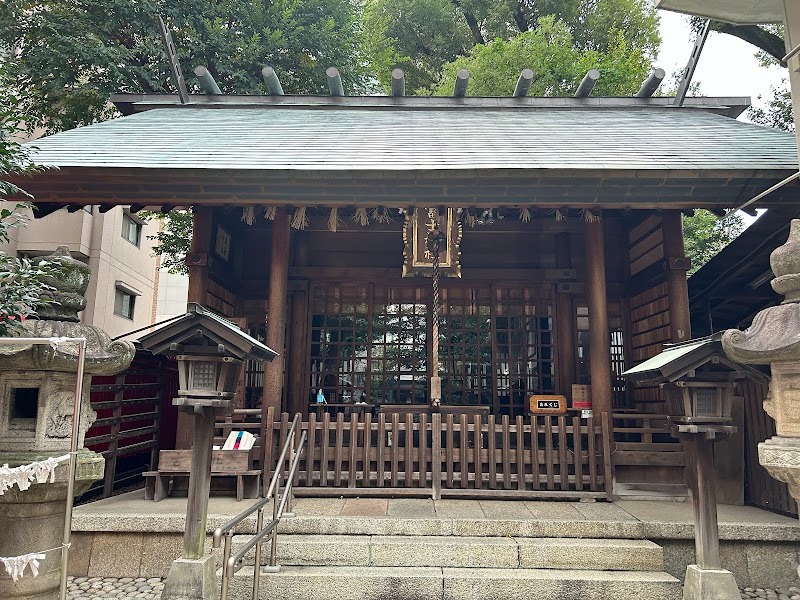
Fuji Shrine Nagoya is Fuji Sengen Shrine, also written Fuji Sengen Jinja, a Shinto shrine in Ōsu in central Nagoya's Naka-ku. Dating back to 1495, it is distinctive for combining Mount Fuji worship with a row of Inari torii gates associated with business prosperity.
What is Fuji Shrine Nagoya?
Fuji Shrine Nagoya is the Fuji Sengen Shrine in Ōsu, central Nagoya. The shrine dates back to 1495, when part of the god of Sengen Shrine in Suruga province was solicited to come down and be worshiped.
Its identity is tied to Mount Fuji, referred to in the tour material as Fuji-san. That makes this Ōsu shrine a local expression of Sengen worship: a Mount Fuji shrine located within central Nagoya rather than at the mountain itself.
What can you see at Fuji Shrine Osu?
The shrine's most distinctive feature is the combination of a Mount Fuji shrine area with a large row of torii gates on the left, identified in the tour material as an Inari shrine.
The tour describes a duo of revered gods at Fuji Shrine. The Mount Fuji goddess is associated with physical wellbeing and health. Separately, Ookami is identified as the god of business prosperity. The tour also describes Fuji-san as the god of prosperity, good health and well-being, while distinguishing the goddess and Ookami in their more specific roles.
Ookami's name carries a threefold kanji and wordplay connection: Oo means large, kami means god, and Okami means wolf. The business-prosperity god is therefore envisioned as a large wolf surrounded by spiritual fox helpers known as kitsune. The row of Inari torii gates gives that wolf-and-fox imagery a clearly identifiable setting beside the Fuji shrine.
What makes Fuji Sengen Shrine distinctive in Nagoya?
Fuji Sengen Shrine brings two kinds of symbolism into one compact place: Mount Fuji worship connected with health and wellbeing, and the wolf-and-kitsune imagery connected with business prosperity. The physical contrast is equally specific: the Mount Fuji shrine area stands beside the large row of Inari torii gates, making the relationship between the two religious associations visible rather than abstract.
The tour describes Fuji Shrine as over 400 years old and as having survived many earthquakes. Together with the shrine's documented 1495 origin, that gives the Ōsu site a long-standing presence in central Nagoya without needing to look beyond the place itself.
What should you notice when you visit Fuji Shrine Nagoya?
Notice the contrast between Fuji Shrine's serene setting and the corporate landscape described around central Nagoya. From the Mount Fuji shrine area, look toward the row of Inari torii gates and consider the different forms of wellbeing and prosperity represented there: physical health on one side, and business prosperity through Ookami and the kitsune surrounding the wolf imagery.
To visit Fuji Shrine as part of a self-guided route, follow the Nagoya route that includes Fuji Shrine as stop 4 of 6. It gives you a direct way to encounter this particular Ōsu combination of Mount Fuji worship and Inari torii gates.
The tour that visits Fuji Shrine
Each one is a self-guided route you can start whenever you like.
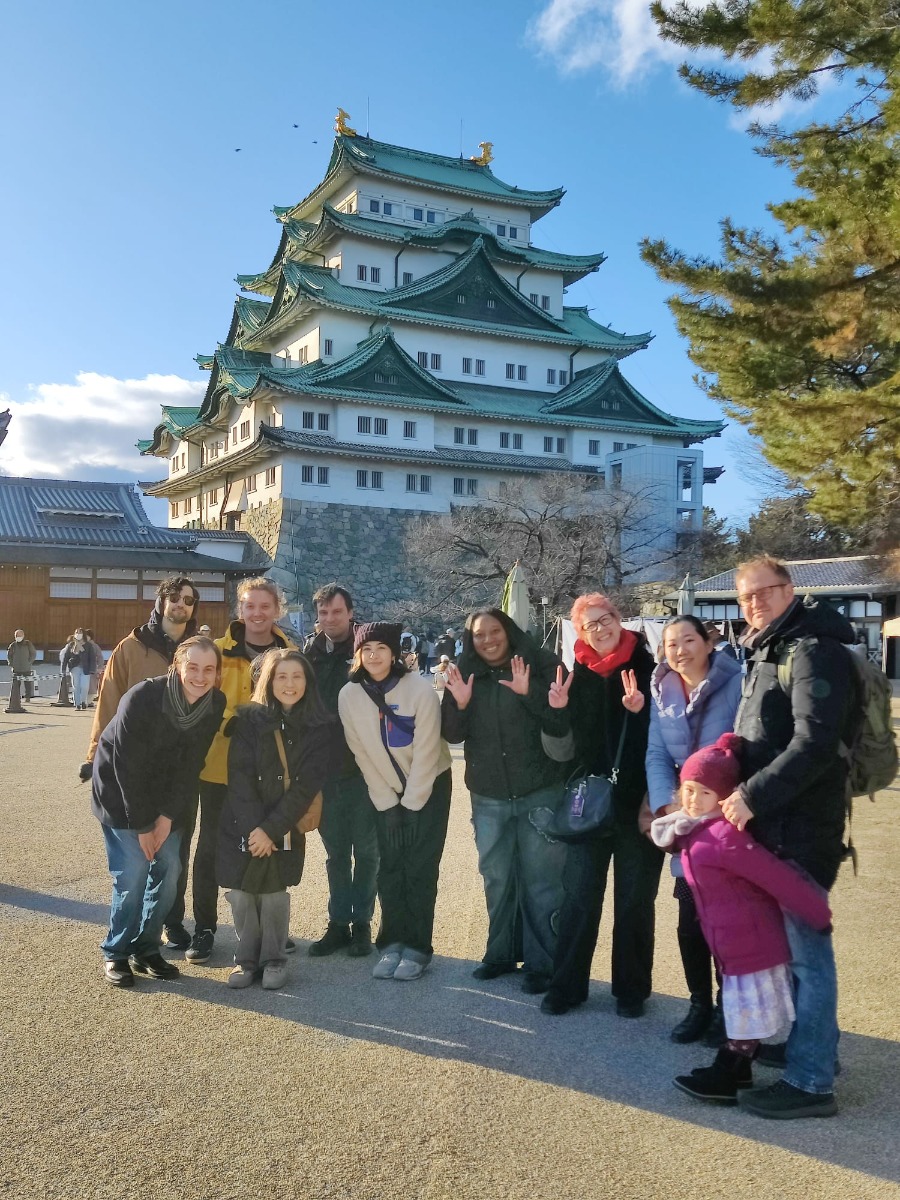
Nagoya · 1h 50m
"What to do in Nagoya?" - Tour
Unravel Nagoya's secrets with Shachihiko, the city's legendary golden shachihoko! Journey from the futuristic Nagoya Station through Edo-era merchant streets, majestic Nagoya Castle, bustling food alleys, and cosmic science museums, finishing amidst Sakae's neon glow. History, humor, and immersive storytelling await on this self-guided adventure blending samurai legends with modern marvels.
- places
- Nagoya
- Fuji Shrine
- Ōsu
- Japanese shrines
- Mount Fuji