
Bucharest, Romania2 min read
Jewish Neighborhood Bucharest: History Around Calea Văcărești
Jewish Neighborhood on Google Maps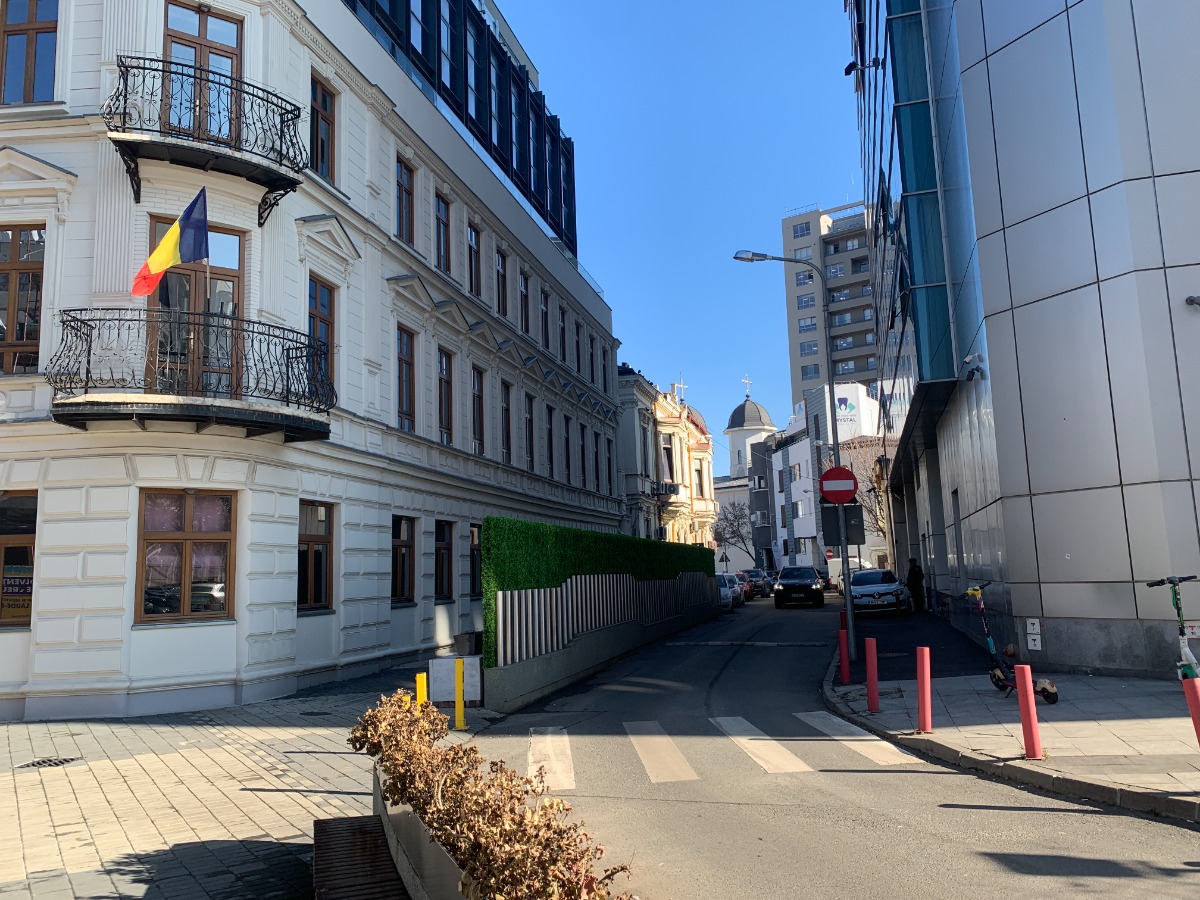
The Jewish Neighborhood of Bucharest was the historic district centered around Calea Văcărești. It became a key artery of the city's Jewish community before much of the area was demolished during Nicolae Ceaușescu's late-20th-century urban remodeling.
The neighborhood began as a slum developed by the Sephardic Jewish community in 1730, under Nicolae Mavrocordat. Two Jewish advisors, Daniel de Fonseca and Menteș Bally, guided that development, giving the area an early connection to the organization of Jewish life in Bucharest.
What was the Jewish Neighborhood of Bucharest?
Historically, the Jewish Neighborhood was the area around Calea Văcărești. By the 19th century, this road had become the heart of Bucharest's Jewish quarter, linking the district's homes, businesses, communal buildings, and institutions.
The district brought together Ashkenazi and Sephardic Jews. That coexistence formed part of the neighborhood's distinctive history: the area was not defined only by one tradition, but by Jewish communities with different backgrounds sharing the same urban setting.
How did the Jewish district Bucharest grow?
The Jewish Neighborhood grew from a community of small merchants, grocers, and artisans into a substantial economic hub. Its commercial life came to include bankers, manufacturers, grain traders, watchmakers, tailors, and winemakers.
Iulius Barasch observed that the local businesses earned a reputation for honesty and reliability. His name now marks Iulius Barasch, the street of the Great Synagogue, preserving a link between the neighborhood's commercial reputation and one of its important Jewish landmarks.
Commerce was only one part of the district. The Jewish Neighborhood included synagogues, schools, hospitals, and cultural institutions, making it a center of communal life as well as trade. The 18th century was a period of adaptation; during the 19th century, the community experienced growth and integration and took on a larger role in Romanian society.
What happened to Bucharest's Jewish Neighborhood?
In the 1980s, Ceaușescu's radical urban restructuring destroyed Calea Văcărești and much of the Jewish Neighborhood. The redevelopment erased a centuries-old cultural and economic center from Bucharest's landscape, changing the physical setting through which the district had been understood.
The neighborhood's history also belongs to the wider record of violence against Bucharest's Jewish community. Between 21 and 23 January 1941, an Iron Guard rebellion and subsequent pogrom took place in Bucharest. The Iron Guard killed 125 Jews, while 30 soldiers died in the confrontation with the rebels. Afterward, the Iron Guard was banned and 9,000 of its members were imprisoned.
How can you encounter the Jewish Neighborhood today?
The Jewish Bucharest self-guided route includes the Jewish Neighborhood as stop 2 of 10. It offers a way to explore the area's documented history through a route built around Bucharest's Jewish past, without suggesting that the supplied material represents every historic boundary, surviving building, or landmark connected with the district.
The tour that visits Jewish Neighborhood
Each one is a self-guided route you can start whenever you like.
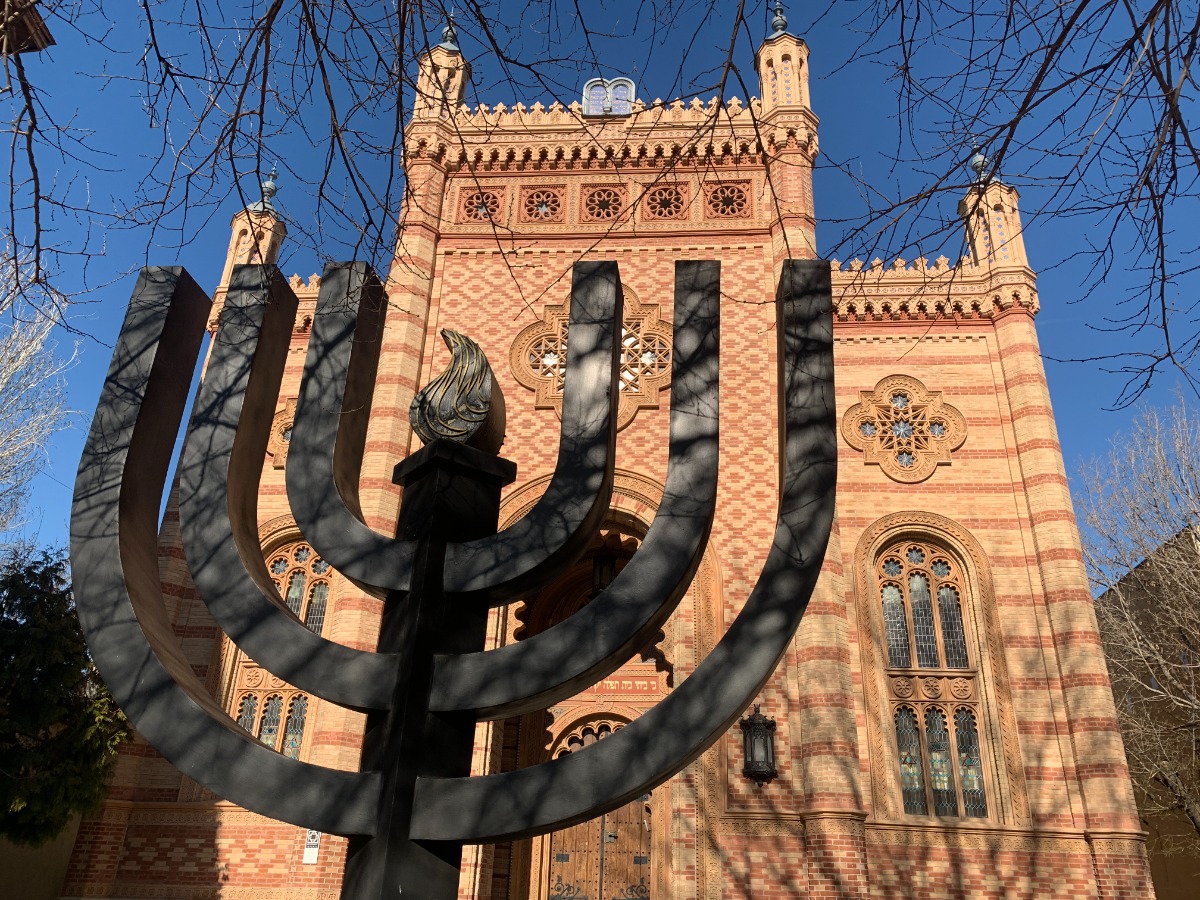
Bucharest · 1h 55m
Jewish Bucharest
Discover the fascinating Jewish heritage of Bucharest on this immersive tour. Explore the evolution of the Jewish community in the city, from early merchants to the modern Jewish Community Center. Uncover the history and impact of Jewish culture, traditions, and contributions to Romanian society. A journey through time and culture awaits you.
- places
- Bucharest
- Jewish history
- Calea Văcărești
- Romanian history
- urban history