
Portland, OR, United States3 min read
Tom McCall Waterfront Park Portland, OR
Tom McCall Waterfront Park on Google Maps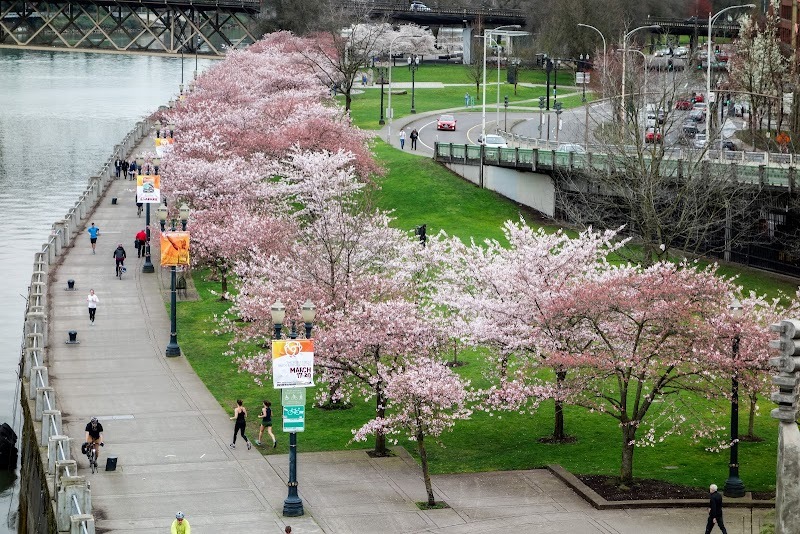
Tom McCall Waterfront Park is a 36.59-acre park in downtown Portland, Oregon, along the Willamette River. Owned by the City of Portland, it opened to the public in 1978 after Harbor Drive was removed in 1974. The park covers 13 tax lots and runs from RiverPlace to the south, the Steel Bridge to the north, Naito Parkway to the west, and the Willamette River to the east.
What is Tom McCall Waterfront Park?
Tom McCall Waterfront Park is Portland's defined downtown riverfront park between Naito Parkway and the Willamette River. Its current public form followed the removal of Harbor Drive, a major change that made this stretch of the west bank available as open space. The park was renamed in 1984 for Oregon governor Tom McCall, who supported beautifying the west bank of the Willamette River.
Why is Tom McCall Waterfront Park important to Portland's history?
Tom McCall Waterfront Park occupies a shoreline that helped Portland grow from a settlement into a major port city. Portland was first platted in 1845 and incorporated in 1851, when waterways were important regional transport routes. The Willamette connected the settlement with farms in the Willamette Valley, the Columbia River trade network, and Pacific markets.
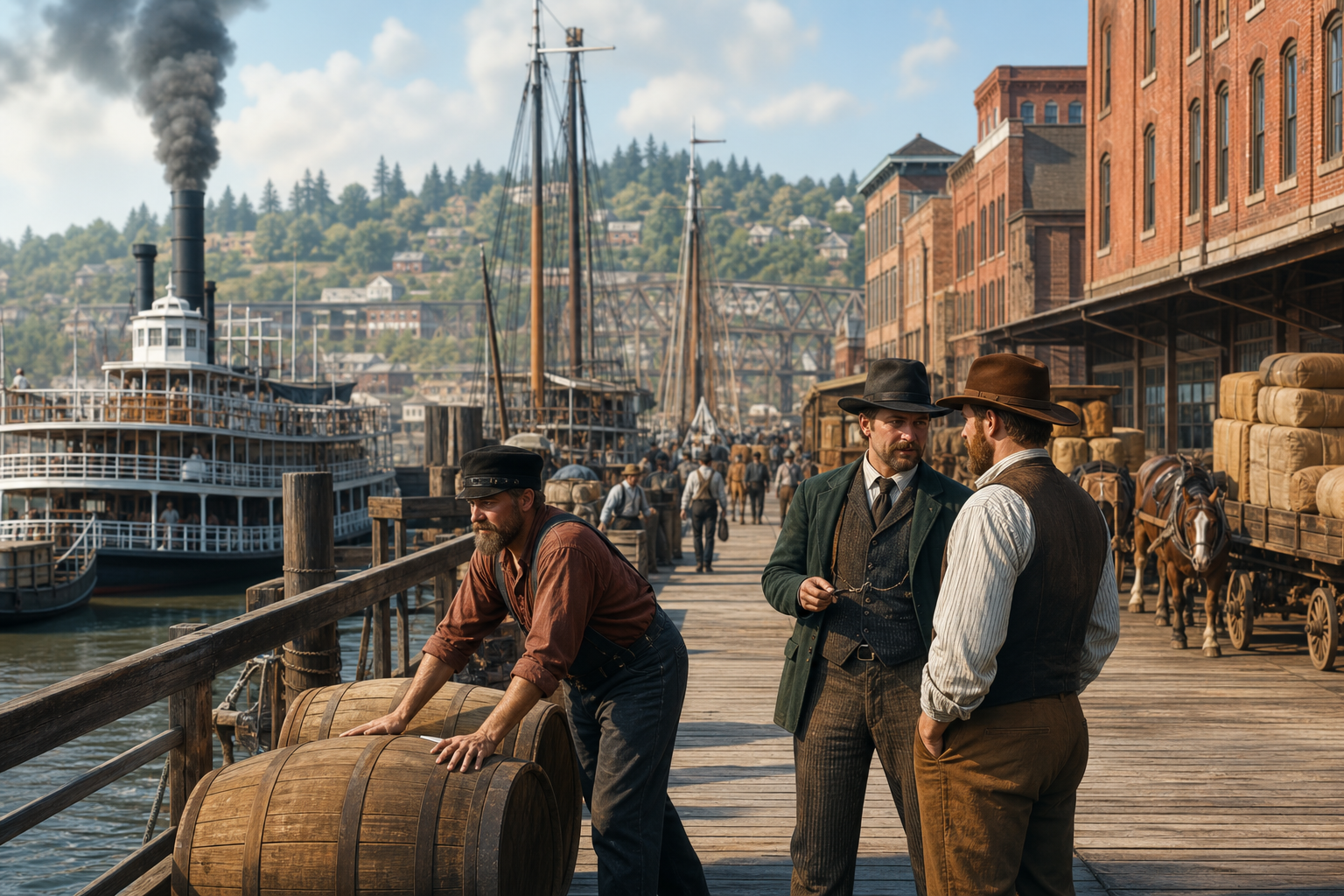
By the mid-19th century, the waterfront had become Portland's commercial engine. Steamboats and sternwheelers carried wheat, flour, timber, livestock, and passengers along the river. During the 1870s and 1880s, the shoreline became a dense industrial zone of warehouses, loading platforms, docks, wharves, and maritime businesses. Douglas fir lumber, grain, and salmon moved through the port facilities.
The riverfront's role expanded when the Northern Pacific Railroad arrived in 1883 and the Southern Pacific reached the city in 1887. Those rail connections linked river traffic with continental markets, allowing cargo to move between ships, trains, and wagons. The shoreline now occupied by Tom McCall Waterfront Park was therefore part of a larger interchange connecting Portland to regional and Pacific trade.
What surrounds Tom McCall Waterfront Park?
Tom McCall Waterfront Park is a precisely defined stretch of downtown riverfront. RiverPlace marks its southern boundary, the Steel Bridge its northern boundary, Naito Parkway its western edge, and the Willamette River its eastern edge.
That position places the park directly within the corridor that shaped Portland's commercial and industrial development. The river edge is not separate from the city's history: it is the shoreline where docks, wharves, warehouses, port facilities, and later rail connections supported the movement of goods and passengers.
What should you notice when you visit?
Notice the contrast between Tom McCall Waterfront Park's current role as public open space and the shoreline's former role as a working waterfront. The park's river edge follows a corridor once defined by shipping, warehouses, port activity, and the rail connections that carried river trade toward continental markets.
For the historical context behind this specific stretch of the Willamette, follow the Portland: River Trade, Lumber and Vice Tour. It connects the park's setting with the shipping, lumber, and commercial activity that helped establish Portland as a Pacific Northwest trade center.
The tour that visits Tom McCall Waterfront Park
Each one is a self-guided route you can start whenever you like.
Portland, OR · 1h 25m
Portland: River Trade, Lumber and Vice Tour
A vivid walk through Portland's rough-and-rowdy beginnings. Follow the Willamette from docks to depots, uncovering how river trade, lumber wealth, railroads, immigration, and vice built the city between 1845 and the early 1900s. Expect steamships, saloons, Shanghaiing legends, and plenty of frontier swagger.
- places
- Portland, OR
- Portland
- Oregon
- Tom McCall Waterfront Park
- Willamette River
- Portland history