
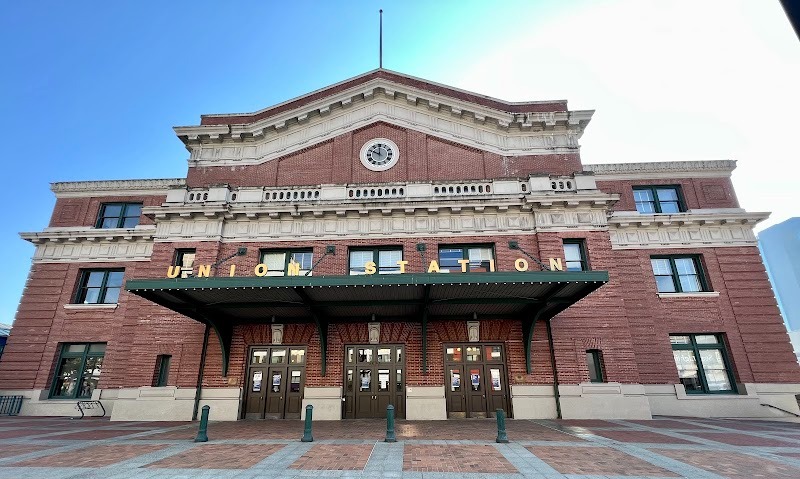
Union Station Seattle, WA, is a grand railroad terminal that opened on May 3, 1911. Built by the Union Pacific Railroad and designed by architect Daniel J. Patterson in the Beaux-Arts style, it is defined inside by a monumental barrel-vaulted Great Hall.
The building connects Seattle's railroad expansion with the commercial networks that grew during the Klondike Gold Rush era. Its design and history make Union Station a place to examine not only as a transport building, but as a statement about Seattle's ambitions.
What is Union Station Seattle?
Union Station Seattle is a Beaux-Arts terminal built by the Union Pacific Railroad and opened on May 3, 1911. Daniel J. Patterson designed the station, giving it the formal scale and ordered character associated with grand early 20th-century railroad architecture.
The defining interior feature is the monumental barrel-vaulted Great Hall. That space establishes Union Station's identity: it is not simply a point on Seattle's rail network, but a building designed to make transportation feel substantial, permanent, and modern.
What should you notice in Union Station's Great Hall?
In the Union Station Great Hall, look for the combination of the barrel-vaulted ceiling, marble surfaces, and commanding sense of order. These details work together rather than appearing as isolated decoration: the hall's scale and materials give the interior a deliberately monumental character.
That architectural language carried a message. Union Station projected stability, modernity, and confidence—the qualities early 20th-century railroad companies wanted their terminals to communicate. The Great Hall therefore functions as both an interior space and a public expression of what rail travel represented at the time.
The marble surfaces reinforce the building's formal character, while the barrel vault gives the hall its strongest visual signature. Together, they make the Great Hall the clearest place to notice how Union Station presented transportation as an organized force shaping the city.
How did Union Station connect to Seattle's transformation?
Union Station symbolizes Seattle's change from a regional port into a gateway to the North. Although the terminal opened in 1911, more than a decade after the Klondike Gold Rush began in 1897, it represents the transportation systems that the rush helped expand.
By the time Union Station opened, Seattle had already benefited from the commercial networks created during the gold rush era. Railroads connected inland farms, factories, and financial centers to Puget Sound steamship lines, helping Seattle dominate the provisioning trade for Alaska-bound travel.
That context gives the station its historical significance. Union Station belongs to the period after the rush began, but its railroad connections show how Seattle's transportation infrastructure supported the commercial role the gold rush had accelerated. You can explore that connection through the Seattle and the Klondike Gold Rush tour, which visits Union Station as one of its stops.
For a closer look at the station's place in Seattle's northern trade networks, follow the route's Union Station stop and use the building's Great Hall as the architectural detail that ties the story together.
The tour that visits Union Station
Each one is a self-guided route you can start whenever you like.
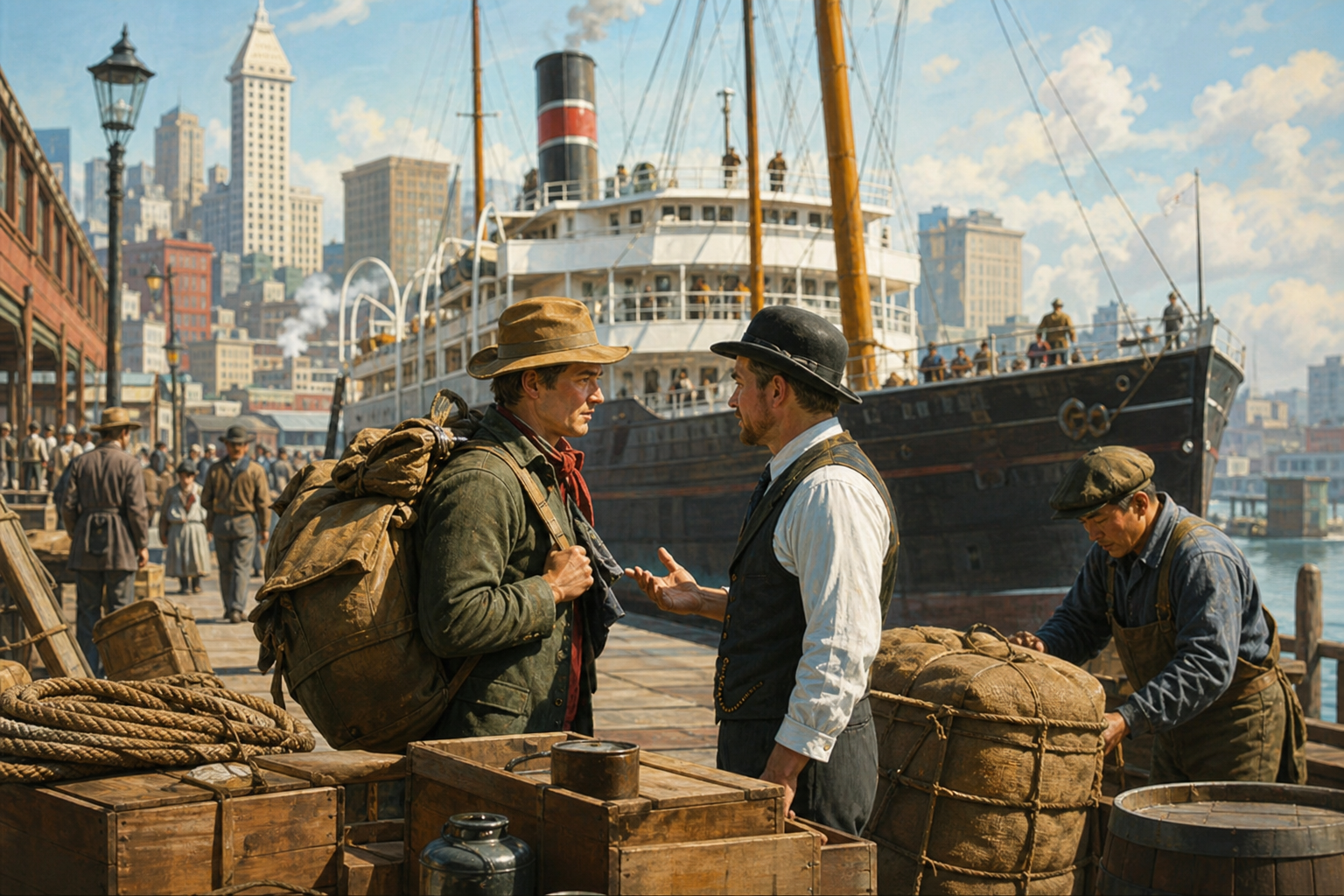
Seattle, WA · 1h 20m
Seattle and the Klondike Gold Rush
Walk through the Seattle that cashed in on the Klondike Gold Rush. From Pioneer Square to the waterfront, uncover how the 1897 gold frenzy transformed a rebuilding port into the bold "Gateway to Alaska." Expect historic landmarks, big personalities, surprising facts, and the story of a city that struck gold without ever swinging a pick.
- places
- Seattle, WA
- Union Station Seattle
- Seattle history
- Beaux-Arts architecture
- Klondike Gold Rush