
Finished this tour? Let other travelers know what to expect.
Log in with your Leplace account to rate and review this tour.
 City walkID 537Manila, Philippines
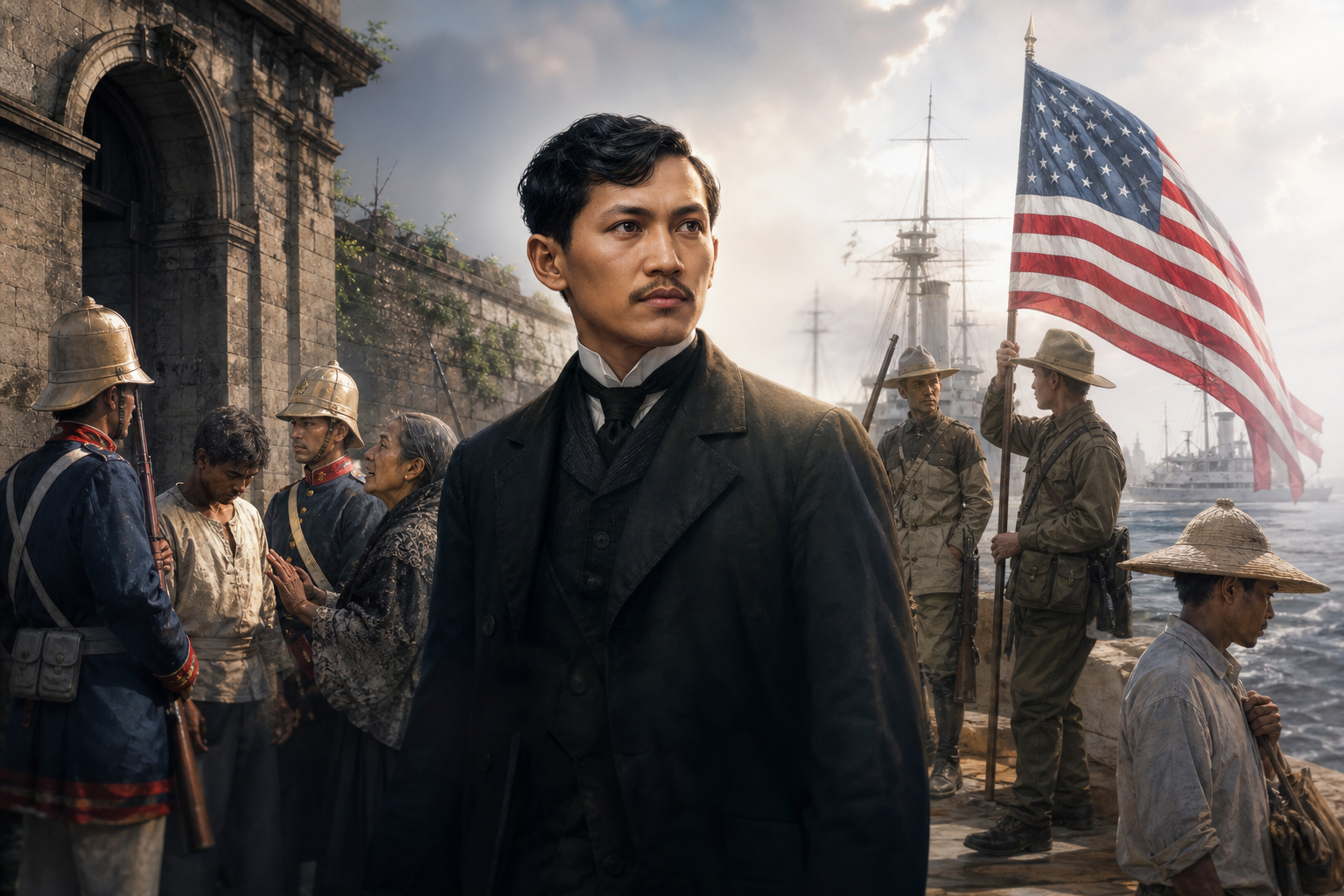
Walk through Intramuros and relive the Philippine Revolution through José Rizal's imprisonment, trial, and final hours. From Fort Santiago and Plaza de Roma to the Mock Battle of Manila and Baluarte de San Diego, uncover how Spain's defeat in 1898 led not to immediate independence, but to a second war against the Americans.
Download Leplace, pick your city and turn your next walk into an adventure.
Leplace also provides original app-guided tours carefully hand-picked and crafted entirely by our team. Using advanced technology and AI, and our co-founder's history nerd level knowledge, we design each tour remotely to combine authentic local insights with smart, innovative storytelling, delivering a unique, high-quality exclusive experience on your mobile phone.
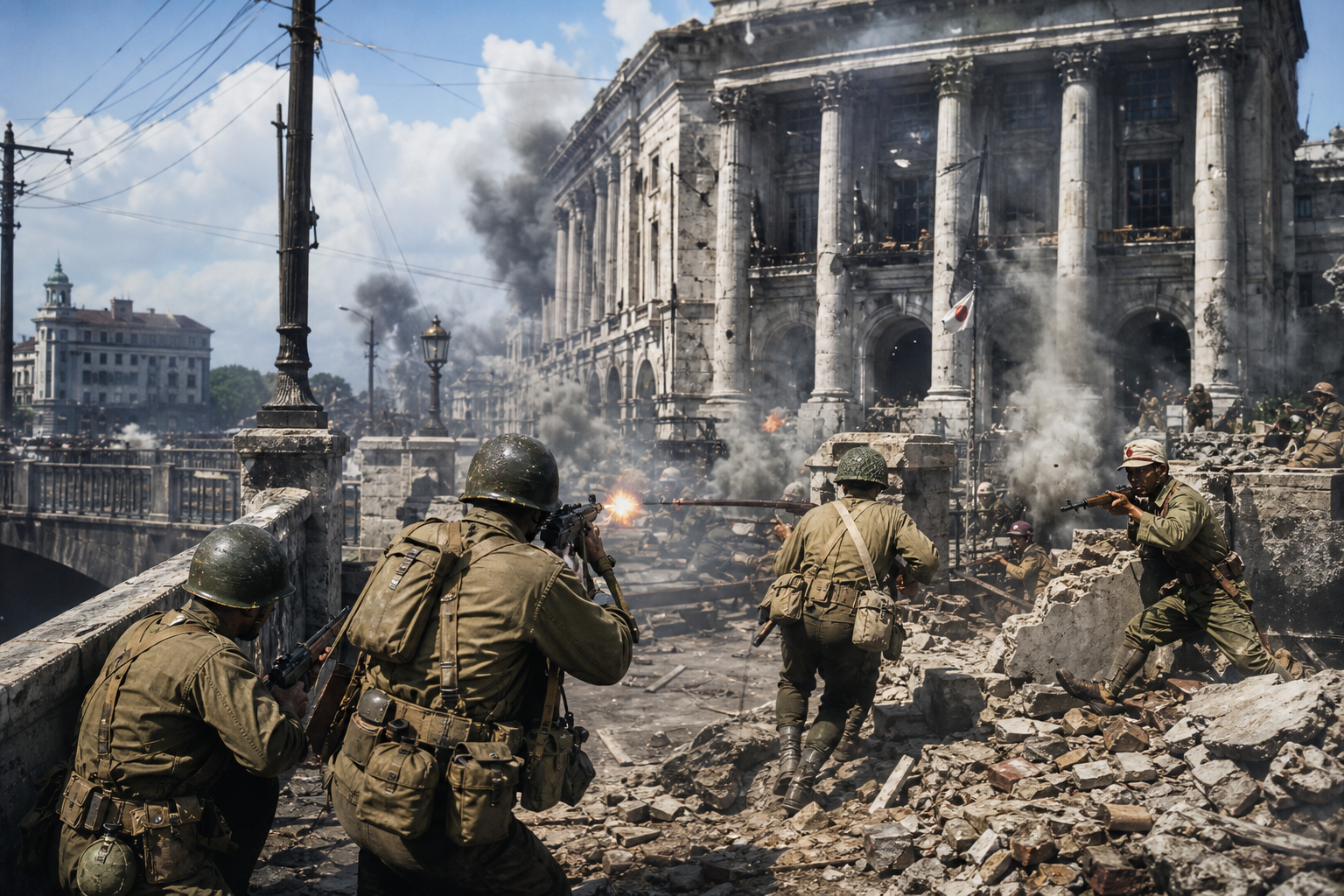
You begin at Plaza Lawton, where Manila's geography becomes your first clue. In February 1945, the Pasig River divided the northern approach from the government quarter, Intramuros, and the bay. Whoever controlled its bridges, roads, and civic buildings could move men, ammunition, messages—and hope. On 3 February, American forces of the 1st Cavalry Division and 37th Infantry Division entered Manila from the north and east. Their advance was rapid, but the city ahead was anything but open. Japanese naval and army units demolished or contested river crossings, fortified concrete buildings, and turned familiar streets into firing lanes. As you look toward the Manila Central Post Office, imagine its monumental neoclassical façade not as a mail hub, but as a defended strongpoint amid smoke, shattered windows, and desperate movement. At Jones Bridge, you stand on the route linking Binondo's commercial district with the old Spanish capital. A crossing that once carried carriages and pedestrians became a military objective under fire. Your path then draws you toward Maestranza, Fort Santiago, and Calle Arzobispo, where stone walls, cellars, churches, and narrow streets compressed the battle into terrifyingly close quarters. General Douglas MacArthur returned on 4 February and used the Manila Hotel as his headquarters, even as the liberation campaign became a block-by-block struggle. The city's destruction was not an unfortunate backdrop: fires, bombardment, executions, and massacres made Manila one of the Pacific War's worst urban catastrophes. Follow the route carefully, because every bridge and plaza leads to a question: when a capital becomes a battlefield, who pays the price?
 City walkID 446New York, NY, United States
Savor & Stroll: A Self-Guided Food & Culture Tour of Chinatown & Little Italy Get ready for a delicious adventure through two of New York City’s most vibrant and historic neighborhoods—Chinatown and Little Italy! This self-guided audio tour will lead you through bustling streets, hidden alleyways, and legendary eateries, bringing the rich history, cultural traditions, and mouthwatering flavors of these iconic districts to life.
 City walkID 443Brisbane, Australia
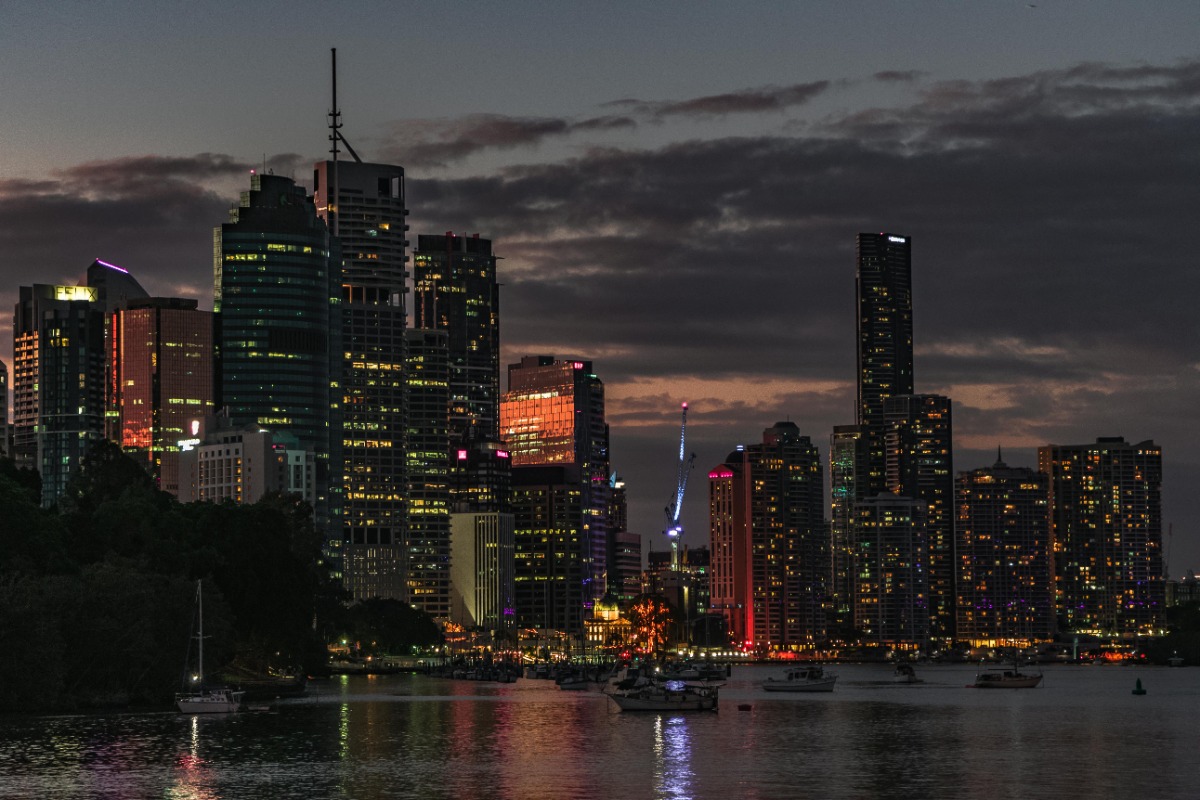
Uncover Brisbane's Dark Secrets - Embark on a fascinating self paced walking tour through the city's hidden history. Explore haunted sites, discover chilling tales, and find out the untold stories of convicts, politicians, and outcasts that shaped Brisbane's past. From the Battle of Brisbane to whispered ghost stories, delve into the shadows of this vibrant metropolis.