Finished this tour? Let other travelers know what to expect.
Log in with your Leplace account to rate and review this tour.
 City walkID 446New York, NY, United States
Savor & Stroll: A Self-Guided Food & Culture Tour of Chinatown & Little Italy Get ready for a delicious adventure through two of New York City’s most vibrant and historic neighborhoods—Chinatown and Little Italy! This self-guided audio tour will lead you through bustling streets, hidden alleyways, and legendary eateries, bringing the rich history, cultural traditions, and mouthwatering flavors of these iconic districts to life.
Download Leplace, pick your city and turn your next walk into an adventure.

Leplace also provides original app-guided tours carefully hand-picked and crafted entirely by our team. Using advanced technology and AI, and our co-founder's history nerd level knowledge, we design each tour remotely to combine authentic local insights with smart, innovative storytelling, delivering a unique, high-quality exclusive experience on your mobile phone.
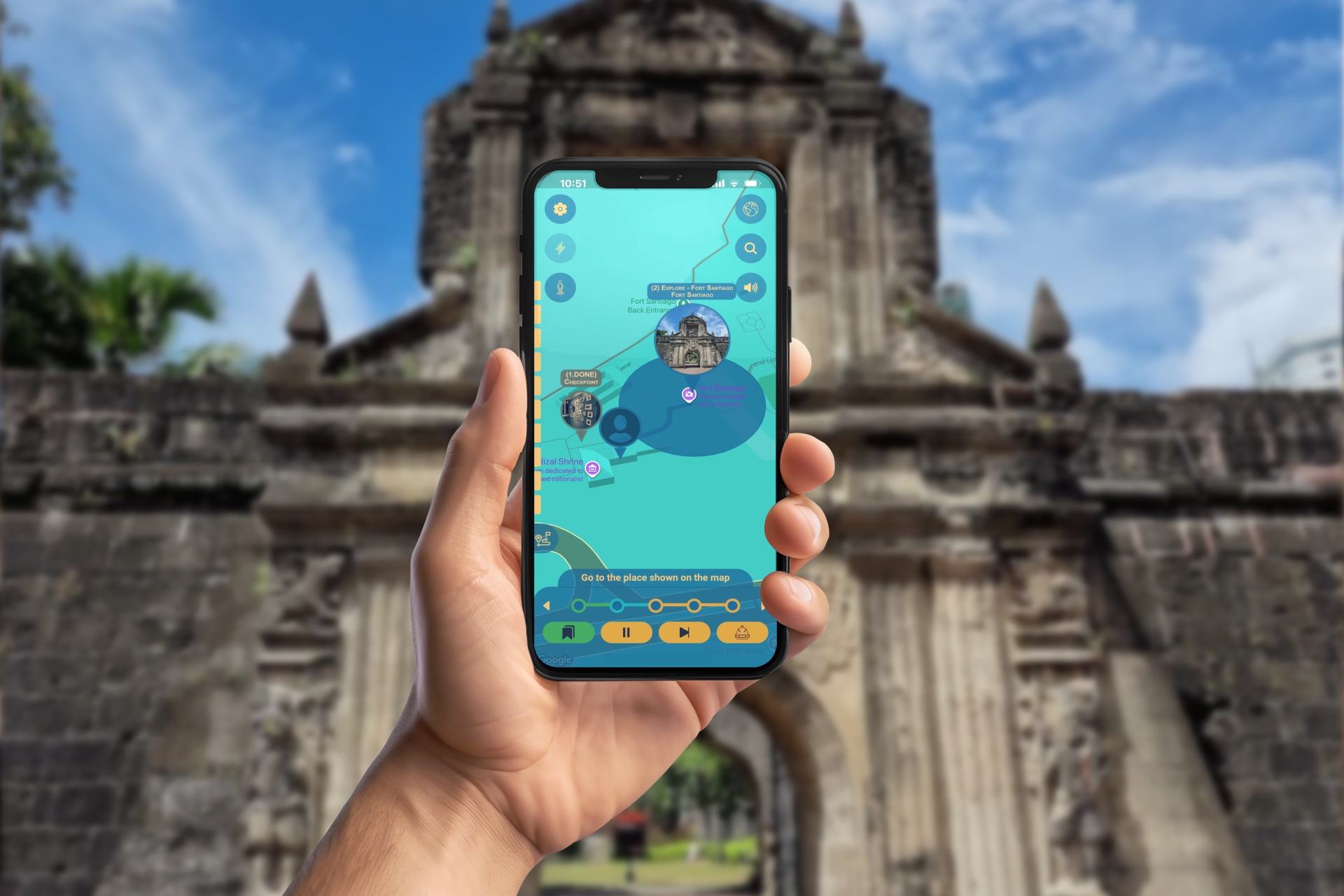
Begin inside Intramuros, Manila's walled Spanish capital, and step into a story that moved from reformist essays to revolution, from execution to empire. If you are new to Philippine history, the essential context is this: Spain had ruled the archipelago for more than three centuries when Filipino resistance intensified in 1896. José Rizal, a doctor and novelist whose books exposed colonial injustice, did not lead the armed uprising, yet his ideas and death made him its most powerful symbol. At the Rizal Shrine in Fort Santiago, you enter the prison where he spent 56 days before his military trial. On December 26, 1896, a tribunal condemned him for rebellion, sedition, and conspiracy; on December 30, he was marched toward Bagumbayan and executed.
Follow the bronze footprints and imagine the silence of that final walk. Look for the small alcohol stove where he hid “Mi Último Adiós,” a poem that transformed private farewell into national legend.
The route then widens. At Plaza de Roma, once the Plaza Mayor, picture Rizal's mother, Teodora Alonso, seeking mercy near the Governor-General's palace.
At Pintong Postigo, imagine guards taking the prisoner through the discreet 1782 gate at dawn. Near Cuartel de España, stand where his court-martial sealed Spain's moral defeat. But Rizal's death did not end the revolution. In 1898, Spain fought the United States in the Spanish-American War, and American forces captured Manila after the carefully staged “Mock Battle” at Puerta Real. Filipino revolutionaries were excluded from the surrender.
San Agustín Church and Baluarte de San Diego reveal the uneasy transfer of power: Spain's 333-year rule ended, but independence did not arrive. Instead, the Philippine-American War began in 1899, launching a second, brutal conflict against the new American occupiers.
As you cross Intramuros, ask yourself: when one empire falls and another takes its place, has a revolution t
 City walkID 443Brisbane, Australia
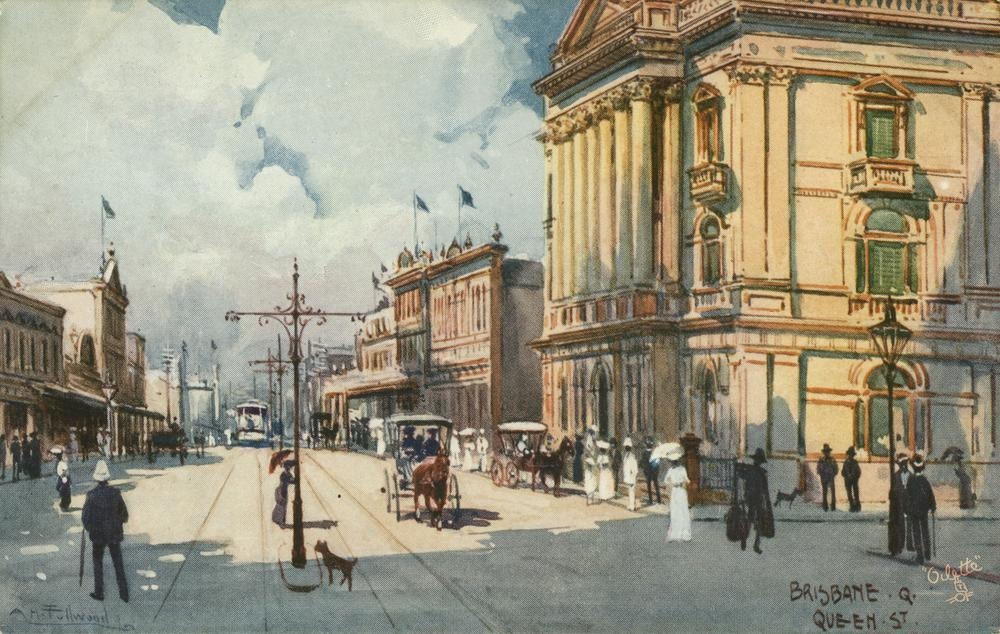
Uncover Brisbane's Dark Secrets - Embark on a fascinating self paced walking tour through the city's hidden history. Explore haunted sites, discover chilling tales, and find out the untold stories of convicts, politicians, and outcasts that shaped Brisbane's past. From the Battle of Brisbane to whispered ghost stories, delve into the shadows of this vibrant metropolis.
 City walkID 449Brisbane, Australia
Discover the hidden stories of Brisbane's dark past on this immersive tour. Walk in the footsteps of early convicts, explore historic sites, and learn about the harsh realities of life under penal settlement rule. Uncover the legacy of convict labor etched into the city's fabric. A journey through Brisbane's convict history like never before!