
Sep 6, 20267 min read
How to Make City Tours Interactive and Memorable
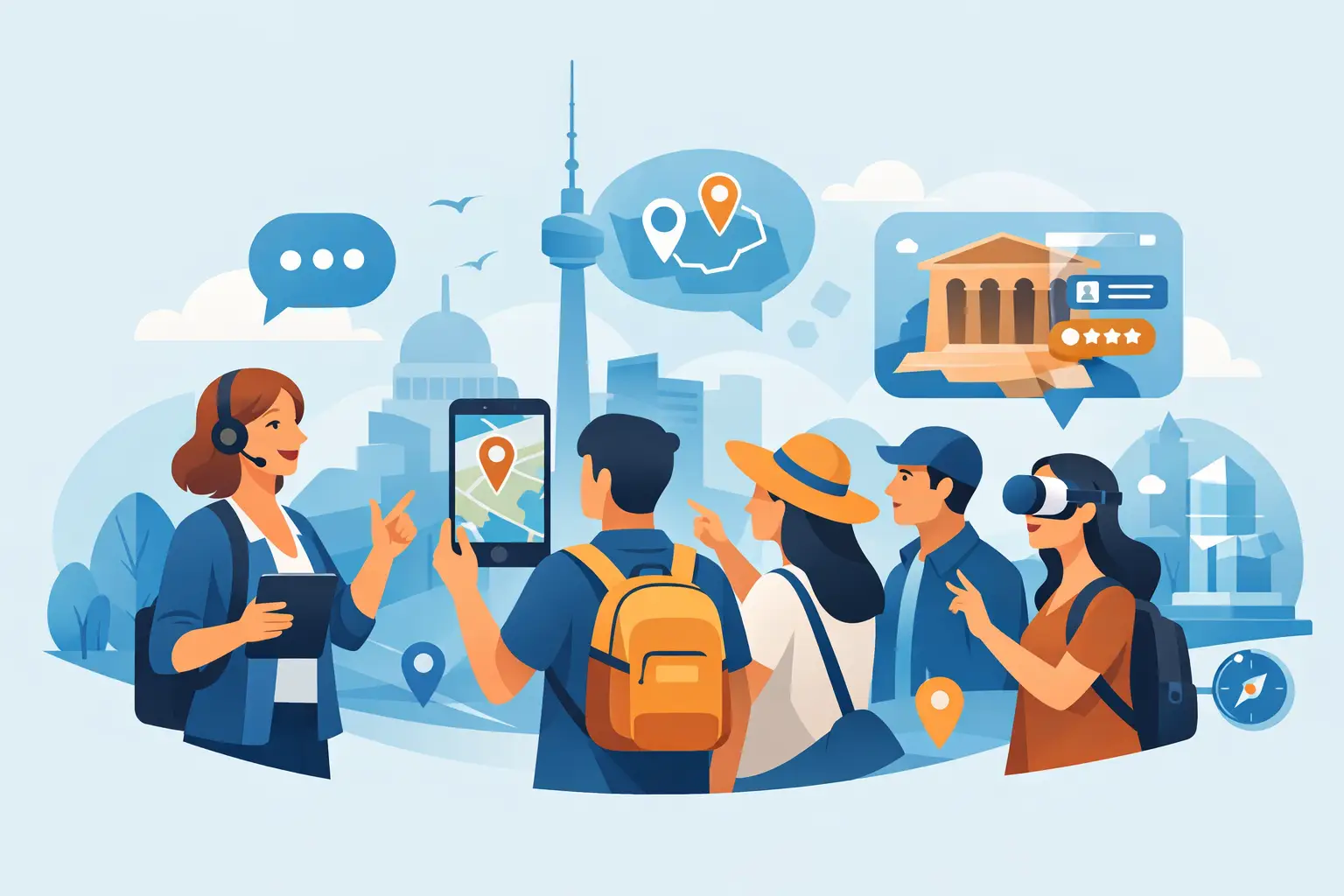
A traveler stops at a painted doorway, not because a guide told them it was built in 1892, but because their phone asks them to spot the symbol hidden above it. They look up. They compare details. They debate the answer with a friend. That small moment is the difference between passing through a city and actively experiencing it. If you are asking how to make city tours interactive, start by designing for decisions, discovery, and participation rather than simply delivering information.
A great interactive tour does not turn every landmark into a trivia question. It gives people a reason to notice their surroundings, follow a story, and feel that their choices matter. For guides, tourism teams, cultural organizations, and creators, that creates a more memorable product and a stronger reason for visitors to finish, share, and recommend the experience.
Start With a Mission, Not a Route
Most conventional tours begin with a list of stops. Interactive city tours begin with a mission. The mission gives every street, clue, and story a purpose.
It might be a missing-artifact mystery through a historic district, a food-and-culture challenge in a market neighborhood, or a quest to uncover the people who shaped a city after dark. The mission does not need to be fictional. It can be rooted in real local history, architecture, music, migration, or community stories. What matters is that the visitor has a clear reason to keep moving.
A route without a mission can feel like a sequence of pins on a map. A route with one becomes a real-life exploration game. Before choosing stops, write one sentence that explains what participants are trying to achieve by the end. If that sentence creates curiosity, you have a useful foundation.
Build Participation Into Every Stop
A stop becomes interactive when the visitor does something with the place. Reading, listening, and watching can support the experience, but they should not be the only actions.
Use a mix of observation, choice, movement, and creation. Ask explorers to find a detail on a building facade, choose which historical character they trust, follow a sound toward the next location, or take a photo that matches a prompt. A simple action can make a story stick because it connects information to a real physical moment.
The best prompts are specific to the location. “What color is the door?” is easy but forgettable. “Why might this unusual door have been built higher than the street?” asks visitors to observe and think. Follow it with the answer and a short local story. The challenge should make the reveal more satisfying, not make people feel tested.
Use questions that reward curiosity
Questions work best when they reveal something a visitor could not get from a generic web search. Look for local contradictions, overlooked details, surprising viewpoints, and stories that residents love to tell. A hidden relief, an old street name, an unexpected connection between two neighborhoods, or a local tradition can all become powerful interaction points.
Avoid making every task multiple choice. Variety keeps the experience alive. Blend visual searches, short riddles, location-based triggers, photo missions, and optional deeper story layers for people who want more context.
Design GPS Challenges With a Purpose
GPS can turn walking into progress. When visitors approach the right location, the next chapter appears. When they enter a park, find a sculpture, or reach a viewpoint, they receive a new clue, collectible, or story fragment.
This is powerful because the city becomes the interface. Instead of staring at a screen for the whole tour, people use the screen to look more closely at the real world.
But location technology needs thoughtful design. GPS accuracy can drift around tall buildings, under trees, or near transit hubs. Give participants a generous arrival radius and a clear visual description of what they are looking for. If a challenge requires entering a venue, provide an alternative for visitors who arrive after hours, encounter an accessibility barrier, or do not want to make a purchase.
Route length matters, too. A two-hour experience should not demand three hours of walking, five steep climbs, and constant phone interaction. Add natural breaks, bathroom access, shade, seating, and transit options where relevant. Interactive does not mean exhausting.
Turn Local Stories Into Reveals
Facts are not the experience. The reveal is the experience.
Rather than opening a stop with a long historical explanation, set up a question first. Let the visitor notice the old railway line crossing a street, then explain how it changed the neighborhood. Let them discover a mural, then introduce the artist and the community behind it. This sequence creates a sense of personal discovery even when the story is carefully curated.
Keep mobile storytelling tight. One strong idea per stop is usually more effective than five disconnected facts. Use short text, clear audio, archival images, maps, or visual overlays only when they add something the street cannot show on its own.
For cultural institutions and destination brands, this approach can also create room for voices often missing from standard sightseeing routes. Invite local historians, artists, business owners, and community groups to contribute stories. Interactive tours are strongest when they feel authored by the place, not dropped onto it.
Add Game Mechanics Without Making It Gimmicky
Points, badges, virtual items, and progress bars can motivate people to continue. They can also feel cheap if they have no connection to the tour’s story.
Make rewards meaningful. In a music-themed route, visitors might collect samples, record-store stamps, or artist stories. In a historic waterfront experience, they might recover pieces of a digital cargo manifest. In a street-art tour, they could build a virtual gallery from works they find in the city.
Competition depends on the audience. Friend groups may enjoy a timer, leaderboard, or team challenge. Solo travelers often prefer personal progress, optional achievements, and a calm pace. Families need tasks that work across ages. The smart move is to make competition optional and make completion feel rewarding for everyone.
A good rule: gameplay should amplify the place. If you could move the same challenge to any city without changing it, it is probably too generic.
How to Make City Tours Interactive for Different Audiences
One route rarely serves everyone in exactly the same way. The core story can remain consistent, but the level of challenge, pace, and depth should match the people you want to attract.
For first-time visitors, orient them early. Use recognizable landmarks, simple directions, and a clear sense of the city’s character. For locals, skip the obvious and create reasons to see familiar blocks differently. For couples and friend groups, add moments that invite conversation or friendly collaboration. For corporate events and festivals, use team objectives, timed checkpoints, and a shared ending point.
Accessibility should be part of the concept, not an afterthought. Offer route alternatives when possible, avoid tasks that depend only on color or sound, provide captions and readable text, and tell participants what physical conditions to expect. A wider range of people can enjoy a tour when expectations are clear.
Make the Phone Useful, Then Get It Out of the Way
Mobile-first does not mean screen-first. The phone should guide the moment, trigger the story, capture progress, and then encourage people to look up.
Keep instructions brief. Use large tap targets, maps that are easy to read outside, and audio that works with headphones but is not required. Avoid asking participants to type long answers while standing on a busy sidewalk. Test every screen in daylight, in motion, and with imperfect connectivity.
Platforms such as Leplace make it possible for creators to combine location-based routes, challenges, digital collectibles, and story-driven content without building a custom tourism app. The technology matters, but the tour design still decides whether the experience feels alive. A polished interface cannot rescue a route with no reason to care.
Test the Experience Like a First-Time Visitor
The fastest way to improve an interactive tour is to watch someone use it without explaining what to do. Invite a few people who do not know the route. Note where they hesitate, miss a turn, misunderstand a clue, or lose momentum.
Pay attention to energy as much as errors. A stop may work perfectly on a map yet feel dull in person. Another may create an unexpected highlight because it gives visitors a great view, a funny shared moment, or a surprising story. Keep the highlights. Cut or rebuild the dead spots.
Measure completion rate, average time, skipped stops, repeat plays, photos shared, and participant feedback. These signals tell you more than downloads alone. If many people begin but few finish, the mission may be unclear, the route may be too long, or the rewards may arrive too late.
The next great city tour will not ask people to consume more content. It will give them better reasons to look up, follow a clue, ask a question, and claim a small piece of the city as their own.
Enjoyed this post?
Comments
Be the first to comment.